
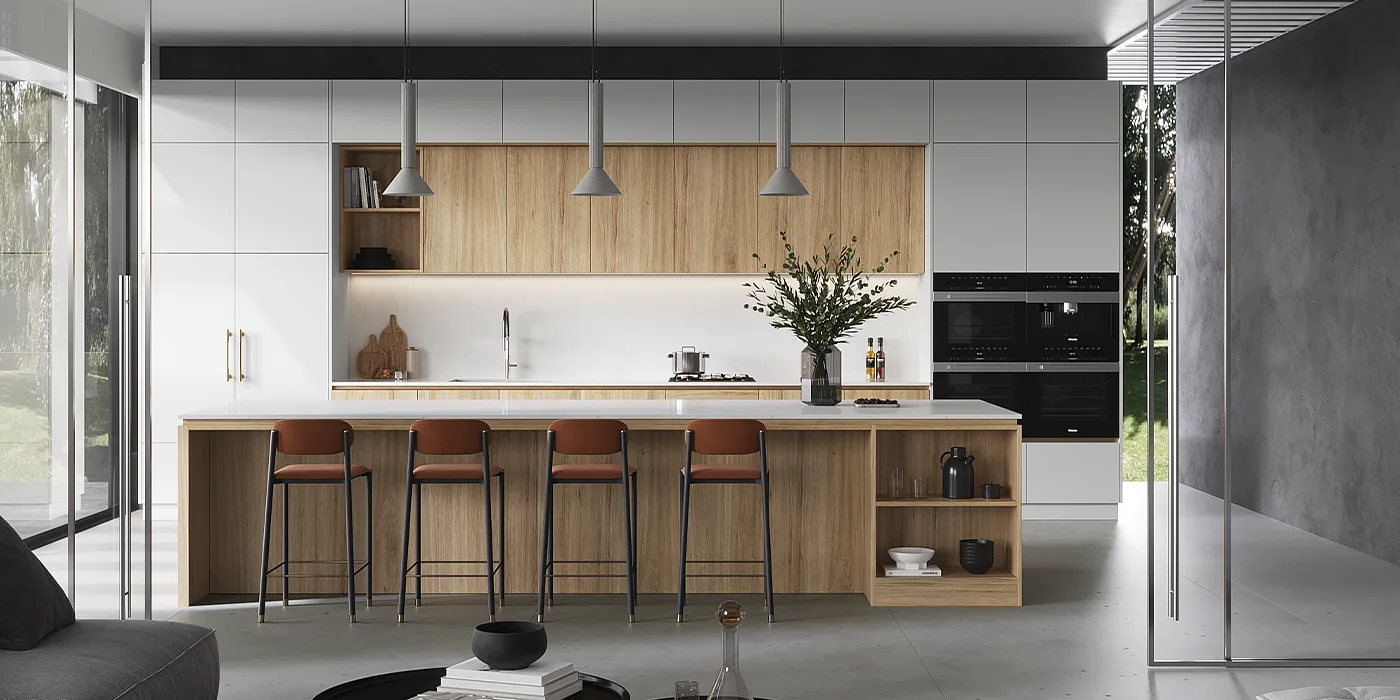
Did you know that cabinetry can take up a large share of a kitchen fit-out budget, yet many projects still need a finish that looks sharp, installs fast, and holds up to daily use? That is why laminate cabinets continue to be a popular choice across Australian homes and commercial projects. But are they the right fit for your job?
If you are a developer, builder, designer, contractor, or property owner, you need more than a style opinion. You need a clear view of the real pros and cons, how laminate performs on-site, and where it makes sense to use it. This guide breaks down the benefits, trade-offs, and practical buying points so you can make a confident decision.
What Are Laminate Cabinets?
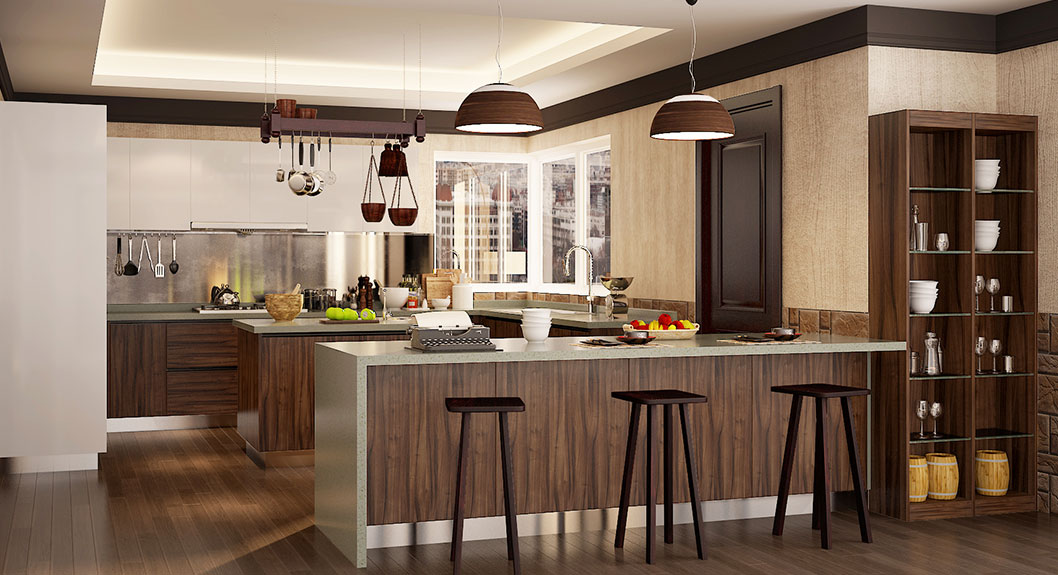
Laminate cabinets are cabinets finished with a decorative surface layer bonded to a core material such as MDF, particleboard, or plywood. The surface can mimic timber grain, matte finishes, high gloss, stone looks, or solid colours. In many Australian projects, laminate is used for kitchen cabinetry, laundry cabinets, bathroom vanities, office joinery, and storage units.
How they are made
Most laminate cabinets use a substrate board and a top layer that is pressed on under heat and pressure. This creates a smooth and consistent finish. The result is a product that can be produced in many colours and styles without the cost of real timber veneer or painted custom joinery.
Why they are common in Australia
Laminate is widely used because it offers a balance of price, speed, and design flexibility. In a market where labour costs, turnaround times, and moisture resistance all matter, it is a practical option for many fit-outs. For apartments, project homes, rentals, and commercial spaces, laminate can deliver a clean look without blowing the budget.
Laminate Cabinets Pros
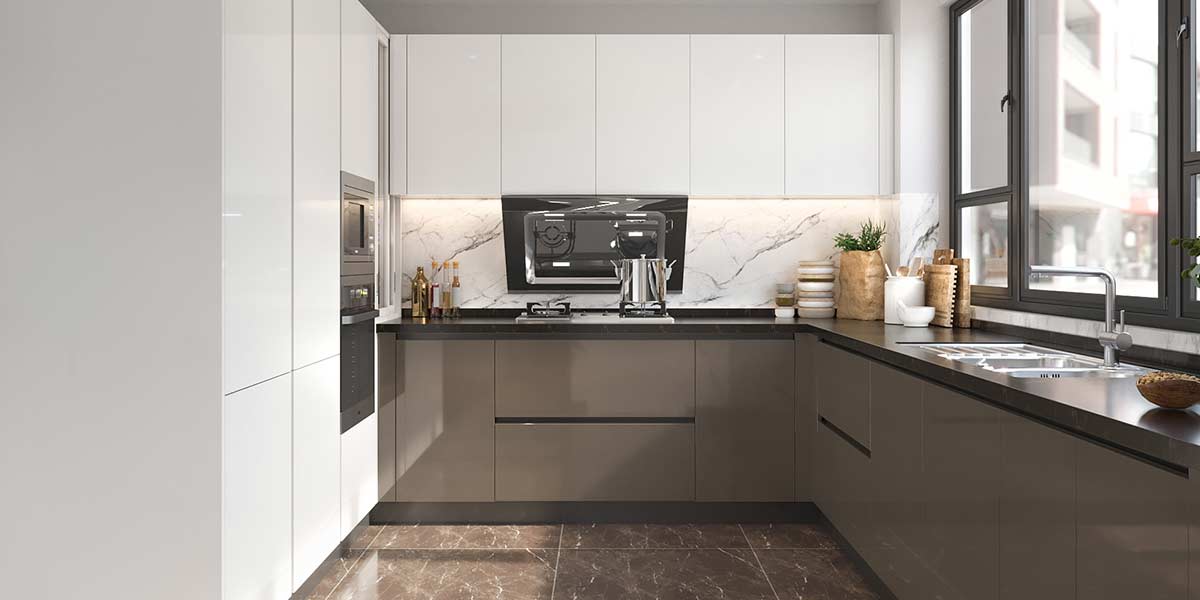
There are many reasons builders and designers specify laminate cabinets. The advantages are not just about cost. They also include durability, variety, and easier project coordination.
1. Cost-effective for large projects
One of the biggest advantages of laminate cabinets is cost control. Compared with solid timber or premium painted joinery, laminate is usually more affordable. For developers and builders managing multiple units, that difference can be significant. Industry estimates often show laminate cabinetry can come in well below the cost of custom timber finishes, especially when ordered at scale.
This makes it a strong option for projects where you need a good visual result and reliable performance, but you also need to protect margins.
2. Wide range of finishes and colours
Laminate cabinets come in a broad selection of colours, textures, and patterns. You can choose natural timber looks, soft matte surfaces, sleek gloss panels, or modern concrete-style finishes. That makes it easier to match the cabinetry to the rest of the project design.
For designers, this flexibility is useful. For builders and contractors, it reduces the risk of delays caused by custom finishing issues. You can often source a consistent look across several rooms or even multiple sites.
3. Easy to clean and maintain
In busy kitchens, laundries, and rental properties, low maintenance matters. Laminate cabinets are generally simple to wipe down with a soft cloth and mild cleaner. The surface does not need sealing or regular refinishing like some natural materials.
That is a real benefit for owners and facility managers. It also helps in homes with children, high traffic, or frequent use.
4. Fast turnaround and consistent output
Laminate cabinetry is often easier to manufacture and install than bespoke painted cabinetry. This can support tighter project schedules. The finish is also highly consistent from panel to panel, which is important when you are coordinating multiple kitchens or repeated joinery packages.
For construction teams, consistency reduces rework and improves quality control. For developers, it helps keep handover timelines on track.
Laminate Cabinets Cons
Laminate cabinets are practical, but they are not perfect. Understanding the limitations helps you avoid expensive mistakes and choose the right product for the right environment.
1. Less repairable than solid timber or veneer
If laminate cabinets chip, peel, or crack, repairs can be difficult to hide. Small damage may be possible to patch, but matching the finish perfectly is often hard. This is especially true on edges and high-use corners.
For projects where long-term refinishing is important, or where the cabinetry may face heavy wear, this is worth considering carefully.
2. Moisture can still be a risk
While many laminate cabinets are designed for kitchen and bathroom use, the core board underneath can still be affected by water if the surface is damaged or edges are not sealed well. Swelling can happen if moisture gets into exposed joins, sink areas, or dishwasher zones.
That does not mean laminate is unsuitable for wet areas. It means installation quality matters. Good edge sealing, proper cutouts, and careful detailing around sinks and appliances are essential.
3. Lower prestige than some premium finishes
In high-end residential or boutique commercial projects, laminate may not deliver the same premium feel as custom veneer or painted solid timber. Even when it looks great, some clients still see it as a more budget-focused product.
That is not necessarily a problem. It just means the product needs to match the brief. If the client wants luxury, laminate may need to be paired with premium handleware, quality hardware, and strong design choices to lift the overall result.
4. Edge wear can show over time
Cabinet doors and panels get touched every day. Over time, the edges of laminate cabinets can show wear, especially in busy family kitchens or commercial spaces. Poor-quality edging is more likely to lift or chip.
This is why product quality matters. Not all laminate cabinets are built the same. The core material, adhesive quality, and edge banding all affect how long the cabinets will last.
Where Laminate Cabinets Work Best
Choosing the right application is just as important as choosing the right finish. Laminate cabinets are not a one-size-fits-all solution, but they perform well in many common project types.
Rental properties and investment homes
For investment properties, laminate cabinets often make strong commercial sense. They offer a modern look, are easy to clean, and help keep initial build costs down. That is useful when you need to balance upfront spend with long-term rental appeal.
In many cases, landlords want cabinetry that looks fresh without requiring frequent maintenance. Laminate fits that brief well.
Multi-residential and volume builds
Laminate is a practical choice for apartment projects, townhouses, and display homes where repeatability matters. It can be produced in consistent batches and installed quickly across many units. That supports smoother project management and fewer delays.
In volume housing, the ability to keep finishes consistent across multiple lots is a major advantage.
Commercial and back-of-house areas
Laminate cabinets are also common in offices, staff kitchens, clinics, and utility spaces. These areas usually need a clean, durable surface rather than a luxury finish. Laminate gives you that at a reasonable cost.
For contractors and fit-out teams, it is often a reliable material for practical spaces that still need to look professional.
What to Look for When Buying Laminate Cabinets
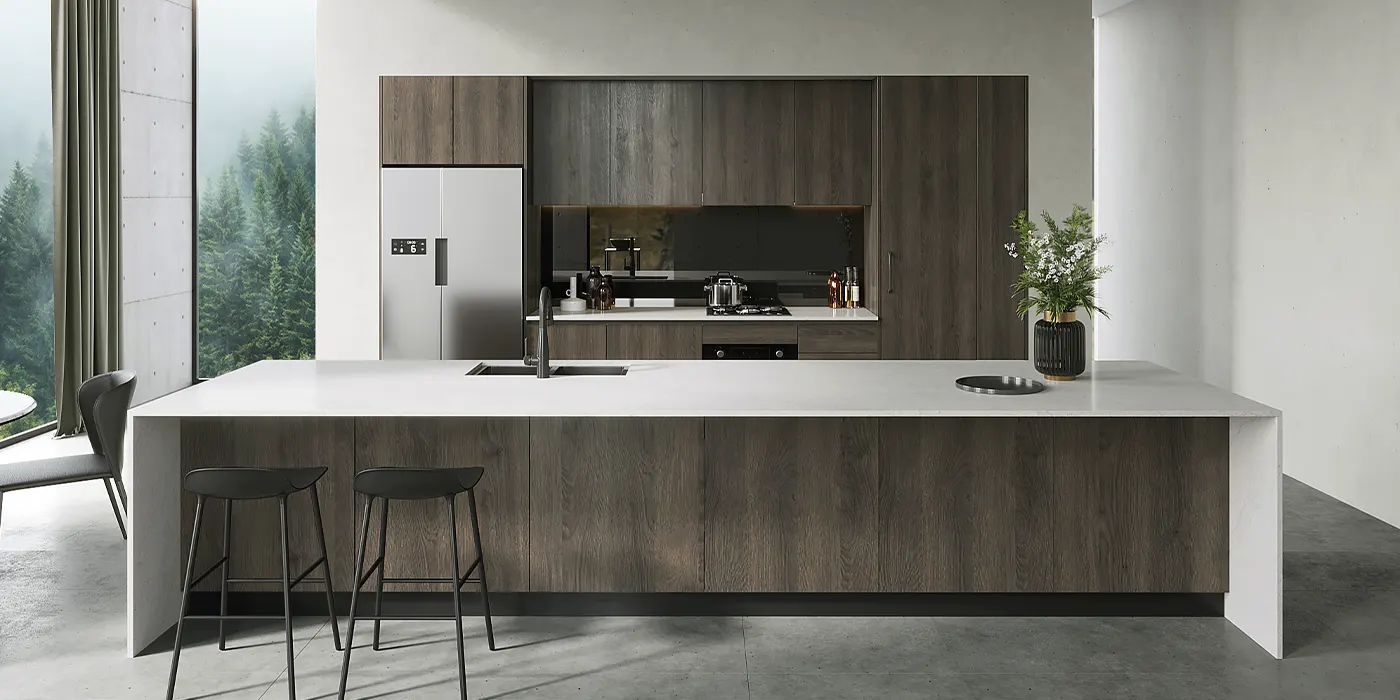
If you are specifying laminate cabinets for an Australian project, the product details matter. A low price alone is not enough. You need to check build quality, moisture resistance, and installation support.
Check the core material
The board under the laminate affects strength and moisture performance. MDF can offer a smooth finish and good machining, while moisture-resistant boards are often better for kitchens, laundries, and bathrooms. Plywood may be used in some higher-end or high-performance applications.
Ask for product data sheets so you know exactly what is underneath the surface.
Inspect the edging and joins
Good edge banding helps protect the cabinet from water and wear. It also improves the overall look. Poor edging can shorten the life of the product and make the finish appear cheap.
Before ordering, confirm how the doors, panels, and exposed edges are finished. This is especially important near sinks, dishwashers, and splash zones.
Match the product to the site conditions
Not every laminate is suited to every environment. A dry office kitchen has different needs from a busy family kitchen or a bathroom vanity. Think about moisture, heat, cleaning frequency, and impact risk before selecting the finish.
If you are working on an Australian project, also consider ventilation, local climate, and how the cabinetry will be used over time.
Are Laminate Cabinets Worth It?
For many projects, the answer is yes. Laminate cabinets offer strong value, good design choice, and simple maintenance. They are especially useful when budget, speed, and consistency matter.
But the right choice depends on the brief. If the project is high-traffic, moisture-heavy, or positioned as premium, you need to specify quality carefully. The cheapest option is rarely the best one. A well-made laminate cabinet can perform very well. A poorly made one can cause frustration fast.
Here is a simple way to think about it:
- Choose laminate cabinets if you need an affordable, attractive, low-maintenance finish.
- Be cautious if the site has heavy moisture exposure or very high wear.
- Invest in quality by checking the core, edging, and hardware before you order.
According to common construction and cabinetry pricing benchmarks, laminate often sits in the mid-to-lower cost range versus premium timber and painted custom joinery. That makes it a smart commercial option when selected well.
If you are planning a kitchen, laundry, bathroom, or commercial fit-out, laminate cabinets may be the right balance of value and performance. The key is to choose the right specification, not just the lowest quote.
Need help selecting the right laminate cabinets for your next Australian project? Talk to a supplier or cabinetmaker who can provide product samples, technical details, and advice based on your site conditions. A short conversation now can save time, cost, and rework later.Contact us now for your next project!