
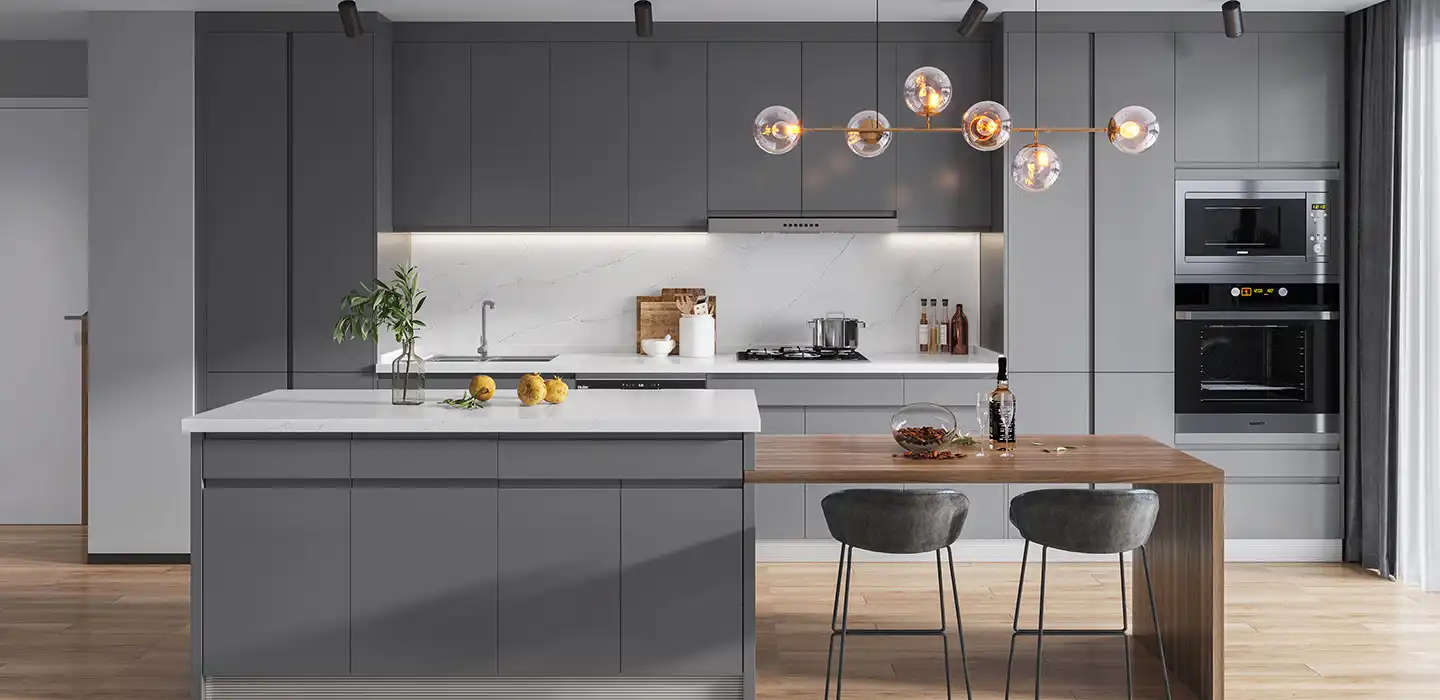
Modern kitchen cabinets and traditional designs show two different approaches to home esthetics. A kitchen’s overall design gets its effect directly from its cabinets. Traditional kitchen cabinets draw inspiration from classic European and American designs of the 18th and 19th centuries. Modern kitchen cabinet styles emerged from the mid-20th-century modernist movement that focused on functionality and simplicity. These basic differences go beyond just looks. Traditional cabinets come with a framed design for sturdiness and durability. Modern cabinets use engineered panels, advanced laminates, and durable surface finishes that can handle moisture, heat, and daily wear. Traditional kitchen cabinetry relies on solid wood and classic joinery methods, while modern cabinet design aims to improve space use. Homeowners planning a renovation or new build in 2026 should know these differences to create a kitchen that lines up with their style priorities and practical needs.
Visual Texture and Esthetic Appeal
“I think interesting textures and shapes will be popular in 2026, with everything from fluted glass to curved Shaker profiles becoming more prominent. Kitchen design is evolving to create more dimension and visual interest through cabinet profiles.” — Karin Bohn, Founder and Creative Director of House of Bohn, kitchen design thought leader
Kitchen cabinet textures play a vital role in setting the mood of your space. The finishes and designs of your cabinets create instant impressions that shape how you see and use your kitchen every day.
Surface Texture: Glossy Wood vs Matte Finishes
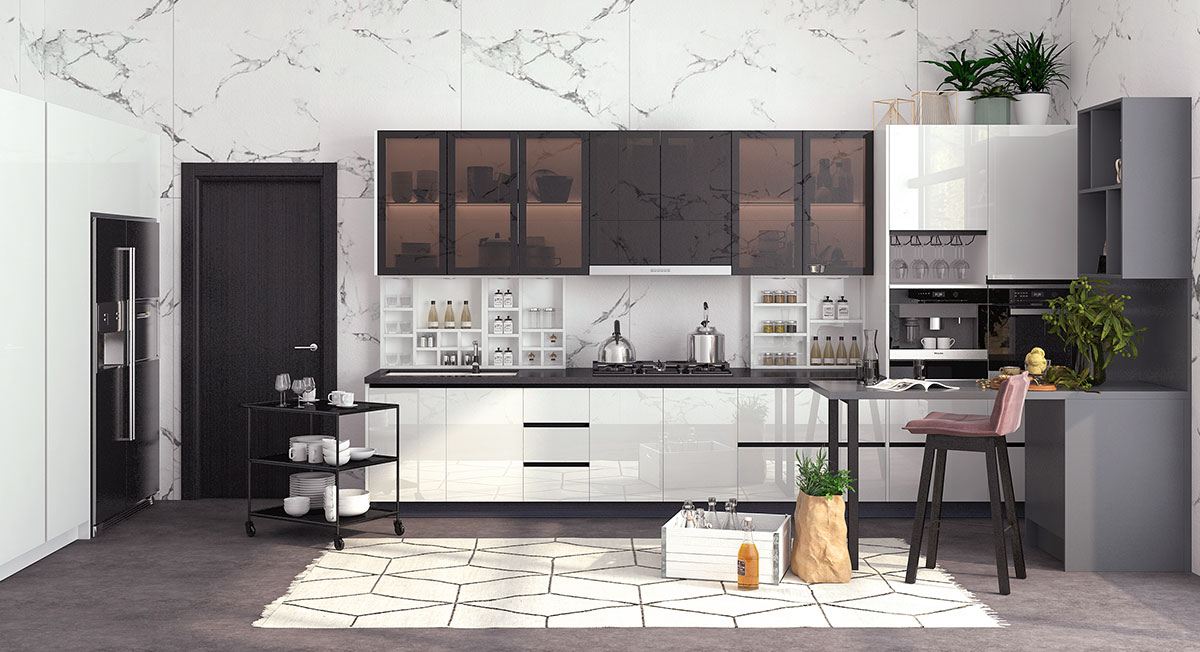
Glossy finishes bounce more light around and make kitchens look bigger and more upscale. These smooth, mirror-like surfaces come from polished steel plates that transfer their texture onto laminate during manufacturing. The reflective nature creates sharp contrasts and a polished look that works great in smaller or darker kitchens by making them appear more spacious.
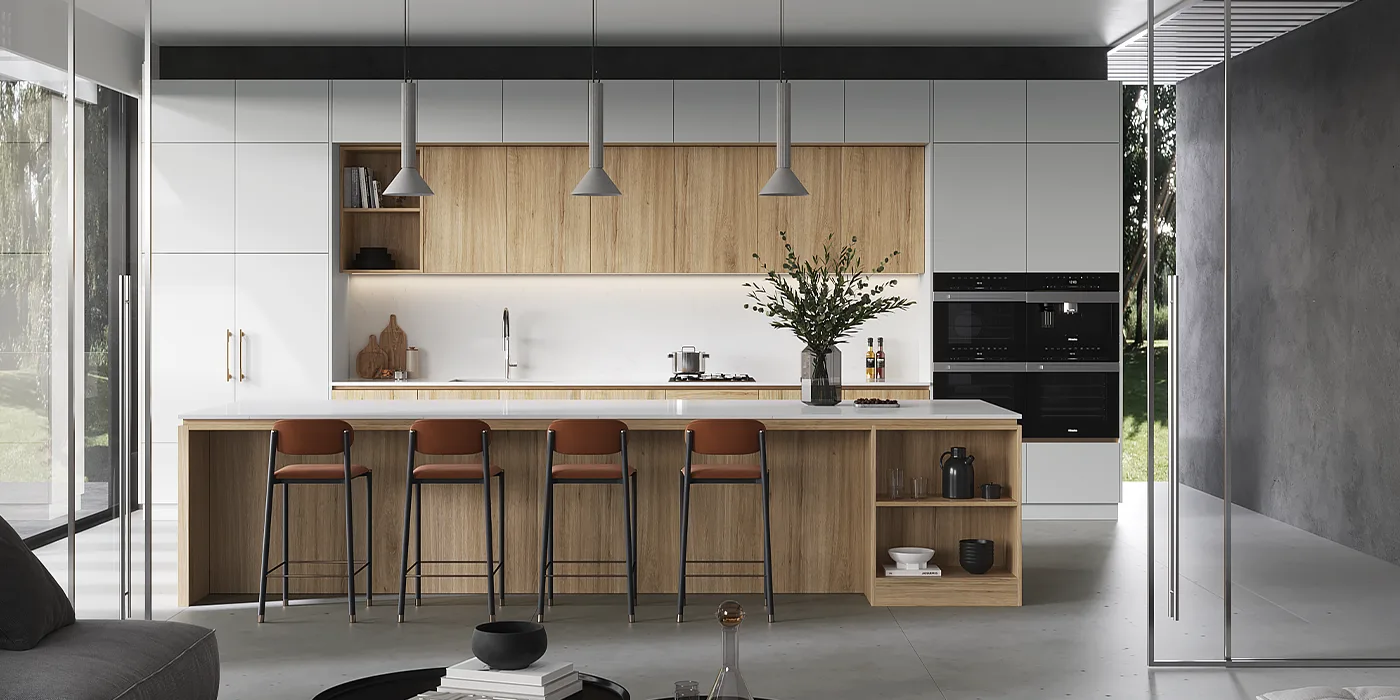
Matte finishes work differently – they scatter light instead of reflecting it directly. This creates a subtle, understated effect with visual depth but no glare. Industry experts note that matte and ultra-matte finishes are popular right now, especially when you have open-concept homes. These finishes have a soft, velvety appearance that blends perfectly with natural wood tones and stone countertops.
The choice between finishes goes beyond just looks. Glossy cabinets might show fingerprints and scratches more easily, but their smooth surface makes cleanup a breeze—just wipe with a microfiber cloth to restore the shine. Plus, glossy cabinets help amplify natural light, which makes rooms look brighter.
Visual Weight: Ornate Details vs Minimalist Lines
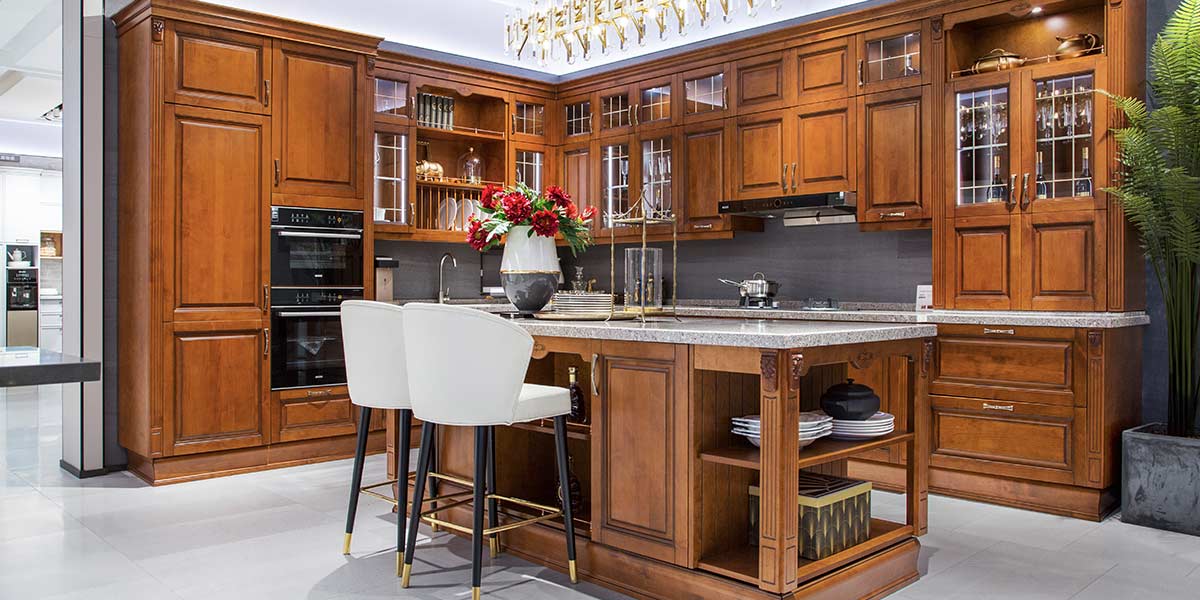
Traditional cabinets stand out with their visual heaviness through raised panel doors, ornate moldings, and rich details that grab your attention. Decorative elements like crown molding, hand-carved geometric patterns, and detailed woodwork create a three-dimensional effect that becomes the kitchen’s centerpiece.
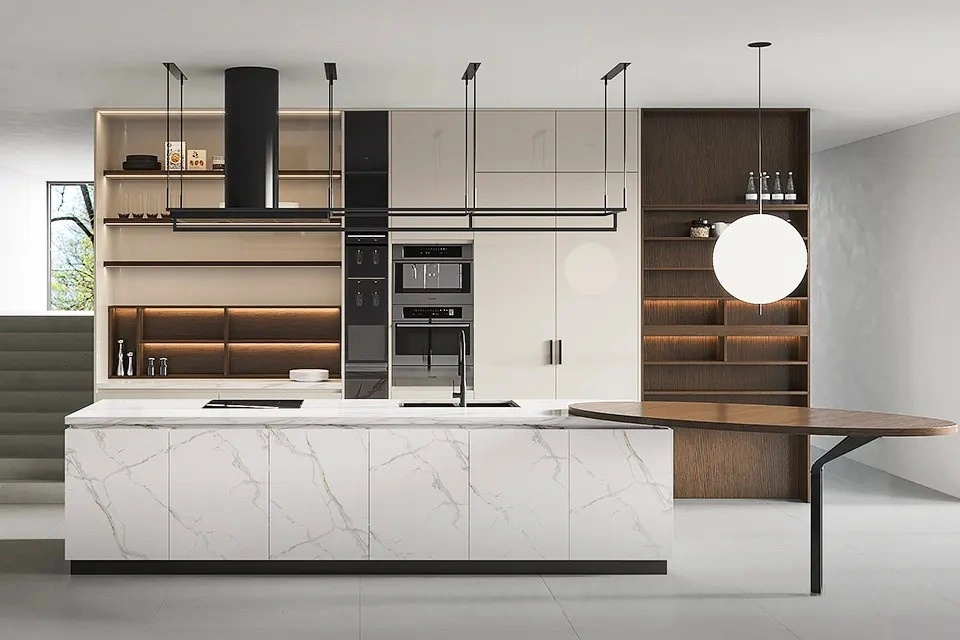
Modern cabinet design takes the opposite approach—simple storage solutions with minimal visual impact that feature clean lines, flush fronts, slim profiles, and often no handles or minimal pulls. This style creates spaces that feel organized rather than overwhelming. The frameless or full overlay construction offers a seamless appearance without visible face frames, which results in a clean, uninterrupted surface perfect for modern designs.
Visual weight affects a room’s perceived size. Traditional cabinets with tall, deep designs can stack up weight at eye level and make rooms feel more compact. In contrast, minimalist cabinets with shallow depth, open toe space, and lighter colors can make walls look longer and ceilings higher without changing the room’s actual size.
Layout and Spatial Design
Modern and traditional kitchens have distinct spatial arrangements that shape how people use their cooking spaces each day.
Kitchen Layouts: Horseshoe vs Island and Inline
Traditional kitchens feature horseshoe layouts with three connected walls in a U shape. This design gives you plenty of storage space and lets you reach everything from any spot in the room. These U-shaped setups can feel tight when multiple people cook and often come with expensive corner cabinets that are hard to reach.
Modern kitchen cabinet designs often place islands at their heart. True islands let people move around all sides, unlike peninsula kitchens that extend from walls with just one entry point. You need 42-48 inches of space around modern islands. They become natural spots where family and guests gather.
Cabinet Arrangement: Symmetry vs Simplicity
Traditional kitchens aim for balanced cabinet arrangements that please the eye. Many people find this symmetry appealing because it creates a sense of stability. Notwithstanding that, kitchens focused on perfect symmetry might sacrifice practical use for looks.
Modern kitchen cabinet styles lean toward practical asymmetry. This choice helps meet both functional and visual needs. Asymmetrical designs create more interesting spaces and give designers room to customize storage solutions.
Open-Plan Integration: Seamless vs Standalone Look
Traditional cabinetry fits into separate layouts that keep kitchen functions away from living areas. These kitchens feel cozy but cut off from social spaces.
Modern kitchen cabinet design merges with open-concept spaces where kitchen elements blend with nearby areas. Removing walls creates visual connections without barriers. These integrated kitchens use specific products that match your home’s size while creating smooth flow throughout the space.
Color and Tone Differences
The colors you choose for kitchen cabinets reveal whether a design is traditional or modern. These choices create specific emotional responses and change how the kitchen space feels.
Traditional Palette: Browns, Reds, and Creams
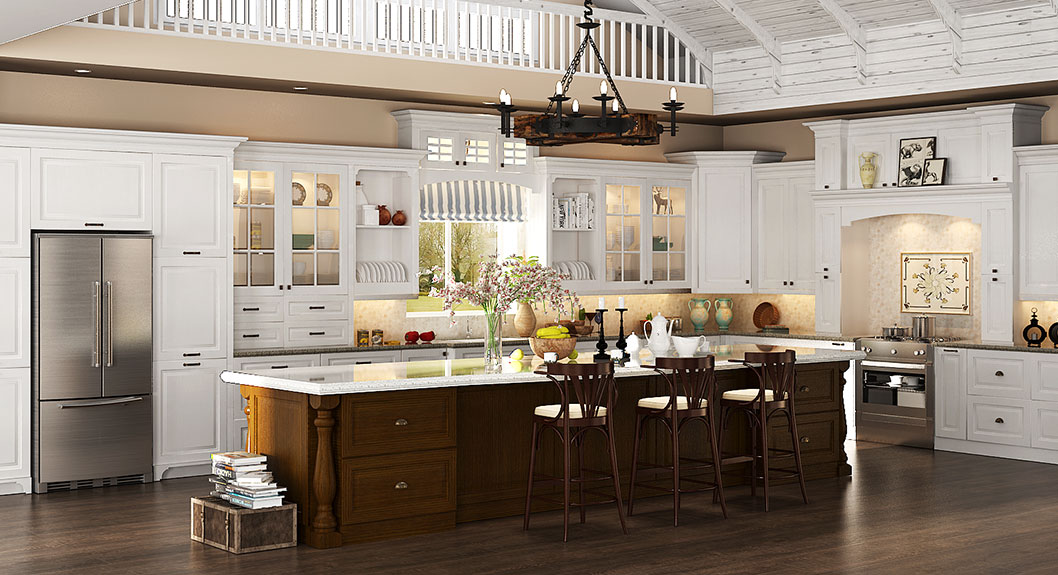
Traditional kitchens feature rich, warm tones that bring out a sense of heritage and comfort. Natural wood stains show off authentic grain patterns and add depth. Cherry, walnut, and oak woods get treatments that bring out their natural beauty. Glazed finishes on stained or painted cabinets create an aged look by settling into crevices. These finishes highlight woodwork details and bring vintage charm to traditional designs. Soft neutrals like taupe and beige blend with any style and serve as timeless foundations.
Modern Palette: Whites, Grays, and Metallics
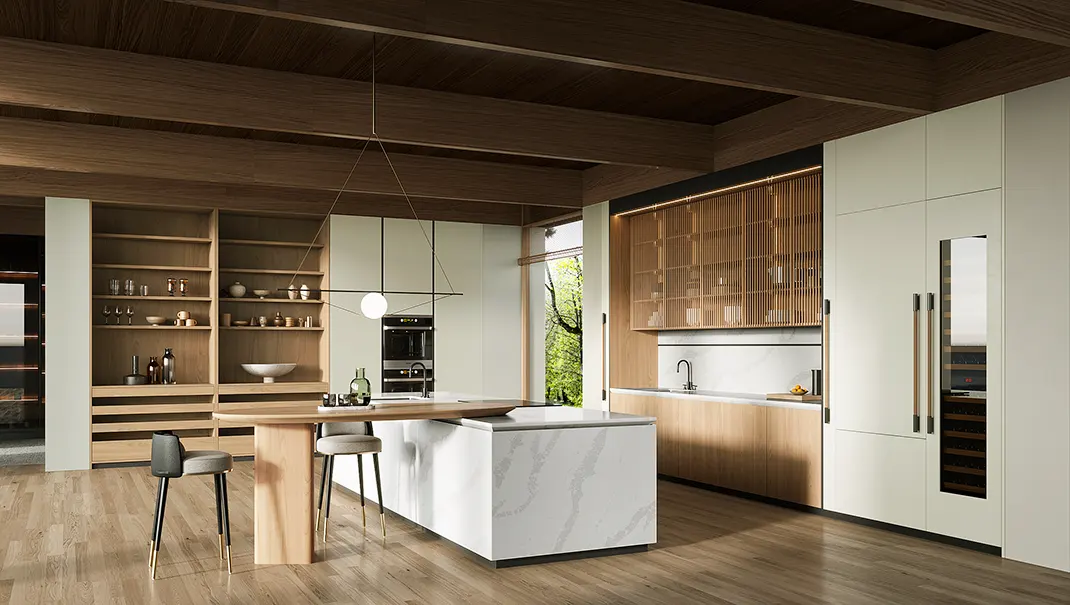
Modern cabinet colors lean toward crisp whites, cool grays, and sleek metallics. This palette creates bright, clean spaces that work as versatile foundations. High-gloss finishes make rooms brighter by reflecting light across surfaces – perfect for small kitchens. Contemporary spaces now often feature tone-on-tone designs, like sage cabinets paired with vibrant green marble.
Finish Types: Distressed vs Polished
The texture of finishes helps tell these styles apart. Traditional designs often use distressed techniques that create deliberate imperfections, giving cabinets that lived-in farmhouse look. Modern cabinet styles, however, feature polished lacquer finishes. These provide smooth, uniform surfaces that keep moisture out and maintain clean lines.
Practical Considerations and Lifestyle Fit
“I think many people are embracing a simpler life, growing their own vegetables, doing more cooking, and enjoying a home life with more enthusiasm than in previous decades. We like to think our kitchens enhance this lifestyle through their longevity and the feel they offer of family life around a kitchen table.” — Helen Parker, Creative Director of deVOL Kitchens, renowned expert in traditional and modern kitchen design
Your cabinet style choice depends on more than just looks. You need to match it with your everyday needs and future plans.
Storage Needs: Display Cabinets vs Hidden Compartments
Traditional cabinets come with glass-fronted display areas that showcase decorative items. These spaces work great for family heirlooms or curated collections. We designed traditional cabinets to focus on visual presentation with dedicated display space. Modern kitchen cabinets excel at storage with pull-out drawers and specialized organizers. Modern styles now include roll-out trays, pull-out pantries with adjustable shelves, and built-in waste containers. Your lifestyle makes the final call – serious cooks with lots of kitchen gear will love the smart storage in modern designs.
Maintenance Effort: Carved Profiles vs Flat Surfaces
Different styles need different levels of care. Traditional cabinets with detailed carvings attract more dust and take extra work to keep clean. Modern kitchen cabinets with smooth, flat surfaces are a breeze to clean – you just need a quick wipe with a microfiber cloth. This becomes a big deal for busy homes, especially near stoves and sinks where grease and moisture can cause damage if not cleaned often.
Resale Value: Timeless Appeal vs Trendy Design
Cabinet designs that stand the test of time stay relevant for 15-25 years. Traditional cabinets have lasting appeal, and buyers often value their quality craftsmanship. Modern kitchen cabinet designs might look dated faster, but high-quality materials and finishes help maintain their value. Neutral-colored cabinets attract more potential buyers when it’s time to sell.
Comparison Table
| Feature | Traditional Kitchen Cabinets | Modern Kitchen Cabinets |
| Historical Origins | European and American designs from the 18th and 19th centuries | Emerged from mid-20th century modernist movement |
| Design Philosophy | Classic esthetics with ornamental elements | Simple and functional approach |
| Construction | Solid wood with classic joinery in framed design | Advanced laminates with engineered panels |
| Visual Details | Ornate moldings and raised panel doors with decorative touches | Slim profiles and clean lines with minimal or no handles |
| Surface Finish | Glazed or distressed looks | Sleek high-gloss or matte surfaces |
| Color Palette | Warm tones including browns, reds, and creams | Cool tones featuring whites, grays, and metallics |
| Layout Preference | U-shaped horseshoe designs | Designs centered around islands and straight lines |
| Cabinet Arrangement | Balanced symmetrical patterns | Practical asymmetrical layouts |
| Storage Style | Decorative items displayed behind glass fronts | Smart organizers with hidden storage and pull-out systems |
| Maintenance | Complex upkeep due to detailed carvings | Simple cleaning with smooth, flat surfaces |
| Visual Weight | Substantial look with deep cabinet profiles | Light feel through minimalist design |
| Space Integration | Separate, defined kitchen spaces | Seamless flow into living areas |
| Durability | Built to last with robust construction | Resistant to moisture and heat damage |
| Resale Value | Stays relevant for 15-25 years | Modern styles might date faster |
Conclusion
Modern and traditional kitchen cabinets show two different approaches that go way beyond the reach and influence of just looks. Traditional designs feature warmth, ornate details, and time-tested craftsmanship. Modern cabinets showcase clean lines, groundbreaking storage solutions, and minimalist design. Each style creates its own unique kitchen environment that shapes both appearance and function.
Homeowners planning their cabinets for 2026 should think about several key points. Your lifestyle needs come first when making this choice. Families who love entertaining might prefer how modern cabinets aid open-concept living. Those who cherish heritage and time-tested design principles might find traditional cabinets line up better with their style.
Your budget plays one of the most important roles in this decision. Traditional solid wood cabinets need higher upfront costs but last incredibly long. Modern cabinet materials offer budget-friendly options that don’t compromise on quality or looks.
Your home’s architecture deserves careful attention when picking cabinet styles. Traditional cabinets look perfect in colonial, Victorian, or craftsman homes. Modern designs naturally fit contemporary or mid-century modern architecture. This perfect match creates a seamless flow throughout your home.
These styles need different levels of care. Traditional cabinets’ intricate details need more thorough cleaning, but many homeowners feel their lasting appeal is worth the extra work. Modern cabinets offer practical benefits with smooth surfaces that are easy to clean.
Design trends come and go, but both styles showed they’re here to stay. Traditional kitchen cabinets remain classic regardless of changing fads. Modern cabinets keep evolving while staying true to their core ideas of function and clean design.
The best choice between these styles depends on your priorities and needs rather than general rules. Some homeowners opt for transitional designs that mix elements from both styles. Quality materials and smart design ensure your kitchen cabinets will work as both practical elements and style statements for years ahead.
FAQs
Q1. What cabinet styles are trending for 2026?
In 2026, kitchen cabinets are trending towards warmer color palettes, including softer whites, creams, and greiges. Natural wood finishes, particularly light to medium tones, are making a comeback. Closed cabinetry with minimal open shelving is preferred, and simple, classic door styles are gaining popularity. Bold colors are also being incorporated for a striking look.
Q2. How are modern kitchen cabinets different from traditional ones?
Modern kitchen cabinets focus on functionality and simplicity, featuring clean lines, flush fronts, and minimalist hardware. They often use engineered materials and advanced laminates. Traditional cabinets, on the other hand, draw inspiration from classic designs, incorporating ornate details, raised panel doors, and decorative moldings, typically made from solid wood.
Q3. Which cabinet style is easier to maintain?
Modern kitchen cabinets are generally easier to maintain due to their flat, smooth surfaces that can be cleaned with a quick wipe. Traditional cabinets, with their intricate carvings and details, tend to collect more dust and require more effort to clean thoroughly.
Q4. How do cabinet choices affect kitchen layout and space?
Cabinet choices significantly impact kitchen layout and space perception. Modern designs often incorporate islands and inline layouts, creating open, flowing spaces. Traditional cabinets typically favor horseshoe layouts, which can offer abundant storage but may feel more enclosed. Modern cabinets often have a lighter visual weight, making spaces feel larger, while traditional cabinets can add a sense of coziness and warmth.
Q5. Which cabinet style offers better resale value?
Both modern and traditional cabinet styles can offer good resale value when well-designed and constructed with quality materials. Traditional cabinets often have a timeless appeal that can remain relevant for 15-25 years. Modern cabinets, while potentially more trend-sensitive, can maintain value if they feature high-quality finishes and materials. Neutral colors in either style typically attract a wider range of potential buyers.