
Did you know that shaker style cabinets are one of the most requested cabinet designs in kitchens and bathrooms across Australia? That popularity is not accidental. For busy builders, designers, developers, contractors, and homeowners, shaker style cabinets offer a clean look, reliable construction, and broad market appeal.
If you are weighing cabinet options for a project in Australia, this guide explains what shaker style cabinets are, why they remain so popular, where they work best, and what to check before you specify them. The goal is simple: help you make a fast, confident decision.
What Are Shaker Style Cabinets?
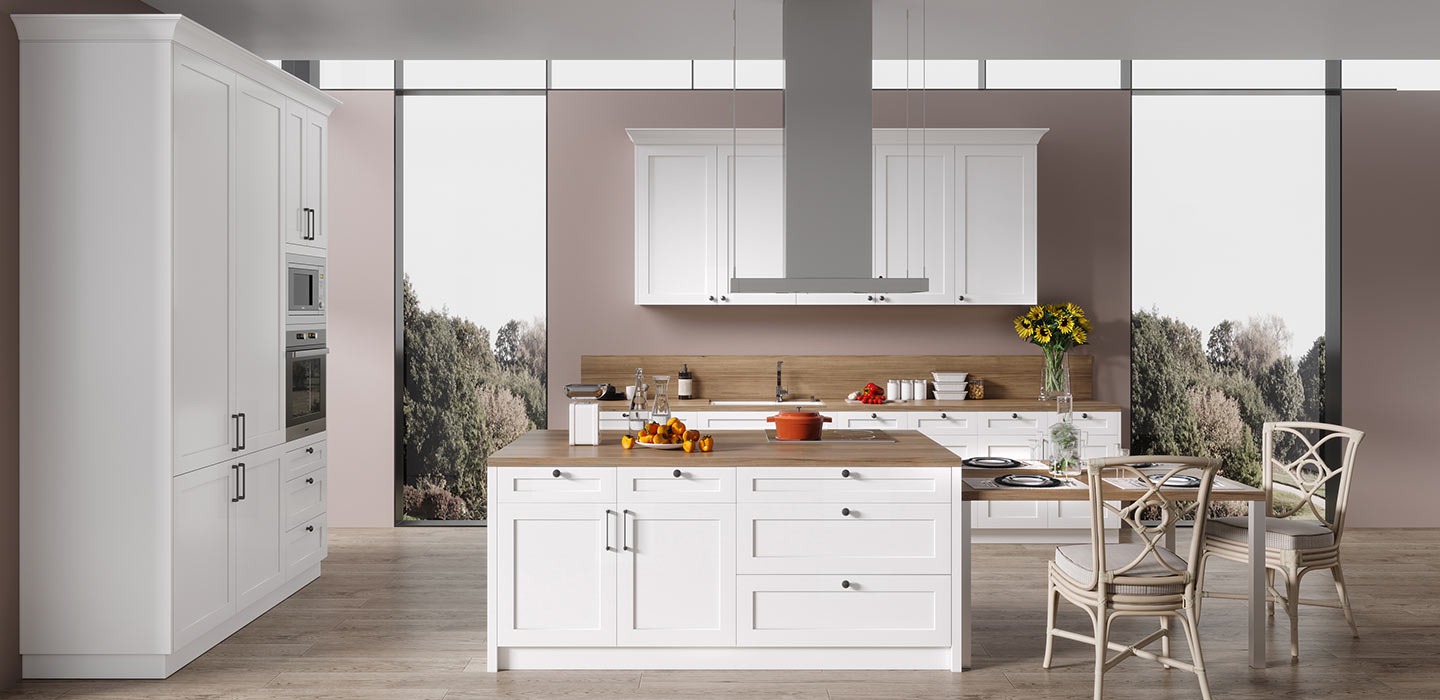
Shaker style cabinets are cabinet doors and drawer fronts built with a simple framed design. They usually have a flat center panel surrounded by a square or rectangular frame. The look is clean, balanced, and timeless.
The style comes from the Shaker furniture tradition, which valued function, durability, and plain design. That practical background is why the look still works so well today in modern homes, apartments, and commercial fit-outs.
In real-world terms, shaker style cabinets sit in the middle of the design spectrum. They are not ornate. They are not ultra-minimal either. That makes them easy to use in many project types, from entry-level builds to higher-end developments.
- Simple frame-and-panel construction: This gives the cabinet its classic look.
- Works across many styles: Traditional, coastal, Hamptons, modern, and transitional spaces all suit shaker cabinets.
- Strong market appeal: Buyers often see them as safe, attractive, and easy to live with.
Why Shaker Style Cabinets Stay So Popular in Australia
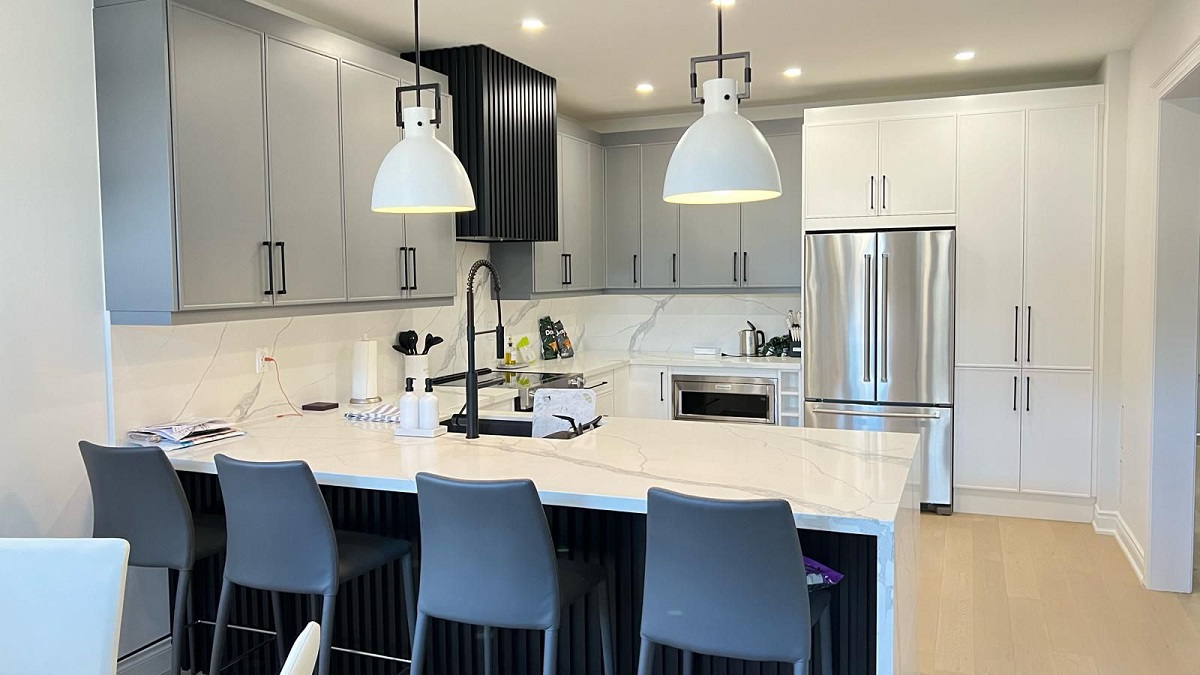
In Australia, shaker style cabinets continue to perform well because they are versatile. They can look fresh in a new build and still feel appropriate in a renovation. That flexibility is a major advantage for construction professionals who need a design that will not date quickly.
Another reason is buyer confidence. People know the style. That reduces risk at selection stage. For developers and builders, that can support faster approvals and smoother sales conversations.
Shaker cabinets also suit the Australian preference for light, practical interiors. White and soft neutral shaker style cabinets remain especially common in kitchens, laundries, and vanities.
- Broad visual appeal: The style suits many demographics and property types.
- Easy to pair with finishes: Stone benchtops, matte black handles, timber accents, and tiled splashbacks all work well.
- Strong resale value perception: A familiar, neutral cabinet style often helps a space feel more marketable.
According to industry trends, neutral kitchen finishes continue to dominate residential projects because they photograph well, appeal to more buyers, and reduce design objections. That is one reason shaker style cabinets remain a practical choice for projects with tight timelines and commercial goals.
Where Shaker Style Cabinets Work Best
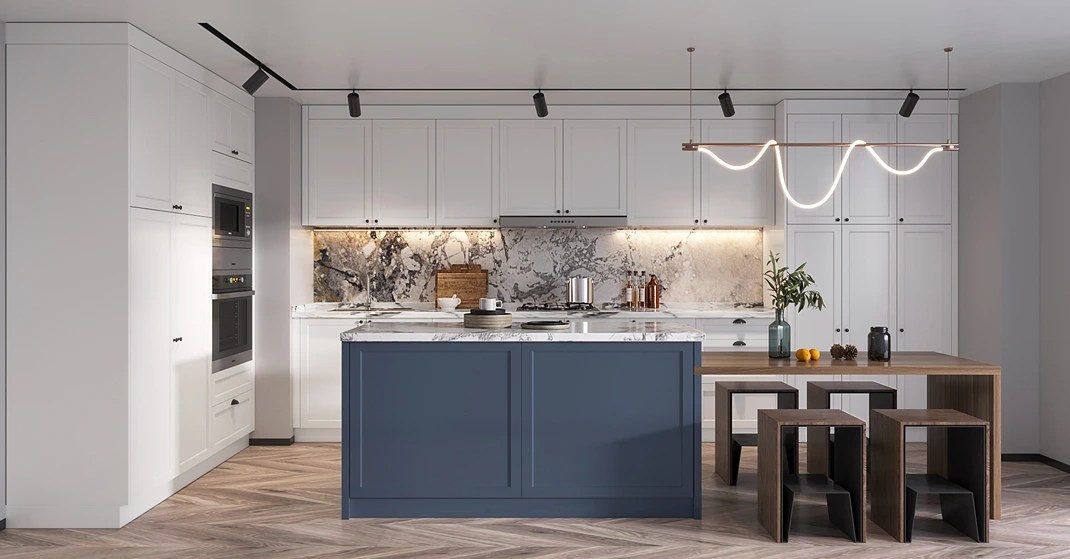
Shaker style cabinets are flexible, but they are not the answer for every project. Knowing where they work best helps you avoid mismatched design choices.
They are a strong fit for kitchens. The clean lines keep the room calm and organised. In medium and large kitchens, shaker fronts can add structure without making the space feel busy.
They also work well in bathrooms, laundries, and mudrooms. These spaces benefit from a style that feels neat and durable. For apartment fit-outs, the style offers a consistent look that appeals to many occupants.
- Laundries and utility rooms: Practical, easy to specify, and visually clean.
For developers and builders, the key benefit is repeatability. Shaker style cabinets can be used across multiple unit types with minor finish changes. That helps maintain design consistency while still giving each space its own feel.
Materials, Finishes, and Construction Choices That Matter
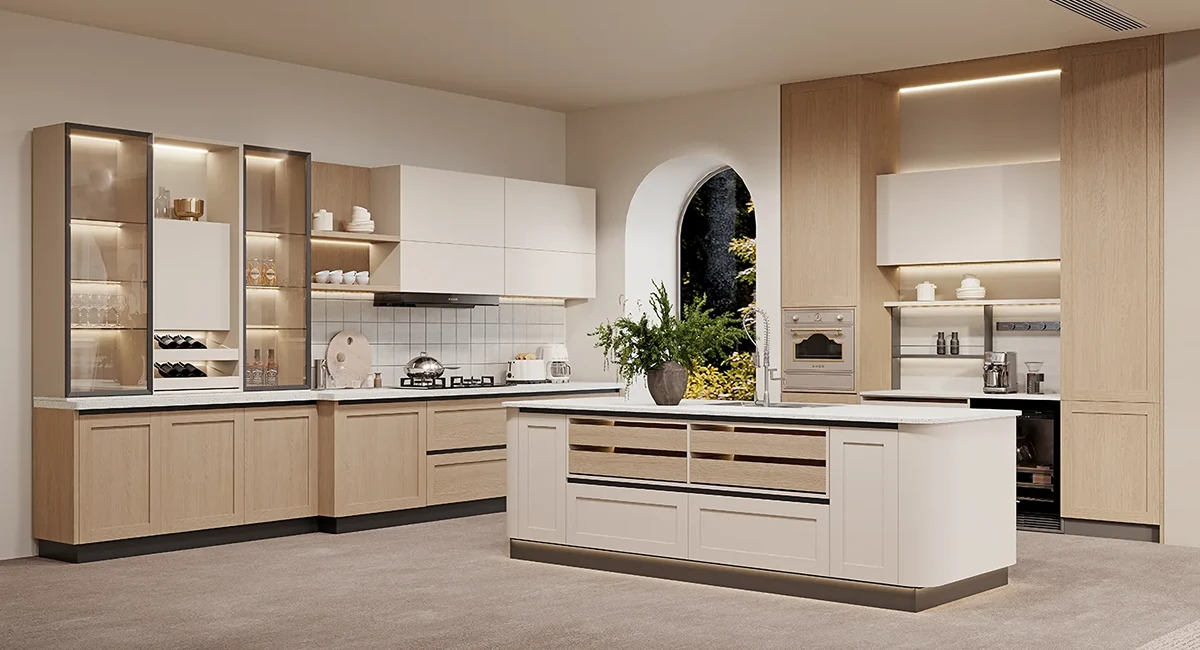
Not all shaker style cabinets are built the same. The frame profile, core material, finish, and hardware all affect performance. If you are specifying for a project, these details matter more than the style name alone.
The most common construction options include MDF, plywood, and solid timber components. MDF is often used for painted shaker doors because it creates a smooth finish. Plywood may be chosen for added moisture resistance in certain applications. Solid timber is less common for full doors but may be used in selected premium projects.
Paint finish is another big decision. A satin or matte finish is common for shaker cabinets because it hides minor marks better than high gloss. For high-use areas, choose finishes that can handle daily cleaning without wearing too quickly.
- MDF: Good for painted doors and smooth profiles.
- Plywood: Useful where strength and moisture performance are priorities.
- Hardware: Hinges, handles, and drawer runners should match the project standard and usage level.
In Australian conditions, moisture and heat can affect cabinet performance. That is especially true near sinks, dishwashers, and laundries. Always check edge sealing, substrate quality, and finish durability before approval. A good-looking cabinet is not enough if the construction is weak.
For busy project teams, one helpful rule is this: ask for samples, not just renders. A physical sample shows the actual profile, colour, and finish. That reduces surprises at installation.
How to Specify Shaker Style Cabinets for a Project
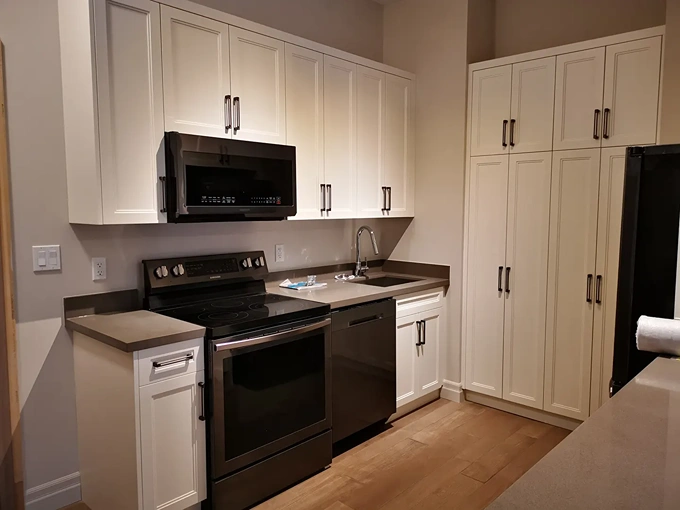
If you are a builder, designer, or developer, specifying shaker style cabinets should be straightforward. The key is to be clear about the profile, finish, and performance expectations from the start.
Start with the design brief. Confirm whether the project needs a classic, modern, or transitional look. Then choose a shaker profile that matches the overall style. Some profiles are more detailed. Others are flatter and more contemporary.
Next, define the finish. White remains a safe option, but warm neutrals, soft grey, navy, and timber-look combinations are common in Australian projects. Make sure the cabinet colour works with flooring, benchtops, and wall finishes.
- Confirm the profile: Standard shaker, narrow shaker, or square-edge variations.
- Set the finish standard: Paint type, sheen level, and colour code should be documented.
- Check installation requirements: Allowances for handles, reveals, and appliance fit-outs should be clear.
It also helps to think about maintenance. Busy homeowners want surfaces that are easy to clean. Developers want finishes that stay presentable through marketing and handover. Builders want products that install smoothly and reduce rework. Shaker style cabinets can meet all three needs if the specification is tight.
One practical data point: in many residential fit-outs, cabinet colour changes have more impact on buyer perception than the cabinet profile itself. That means finish selection should get as much attention as door style.
Are Shaker Style Cabinets the Right Choice for Your Next Build?
For many projects, the answer is yes. Shaker style cabinets offer a strong balance of style, function, and cost control. They are not trend-driven in the same way as ultra-modern handleless designs, which makes them a safer long-term option for broad-market appeal.
They are especially effective when you need a cabinet style that supports resale, suits many interior directions, and installs without design complexity. That is why they remain a favourite across kitchens, bathrooms, laundries, and multi-unit developments.
Still, the right choice depends on your project goals. If the design needs a very modern or architectural look, another cabinet type may be better. If you want a style that feels familiar, adaptable, and proven, shaker style cabinets are hard to beat.
- Best for broad appeal: Great when you want a style that appeals to many buyers or occupants.
- Best for flexible design: Easy to pair with many materials and colour schemes.
- Best for practical delivery: Straightforward to specify and repeat across projects.
Shaker style cabinets remain popular for one simple reason. They solve a real problem. They look good, they work in many spaces, and they are easy to sell, install, and live with.
If you are planning a kitchen, bathroom, or multi-unit project in Australia, start with shaker style cabinets as a benchmark. Then compare materials, finishes, and hardware based on your budget and performance needs. If you want help choosing the right cabinet specification for your next build, speak with our project consultant today.