
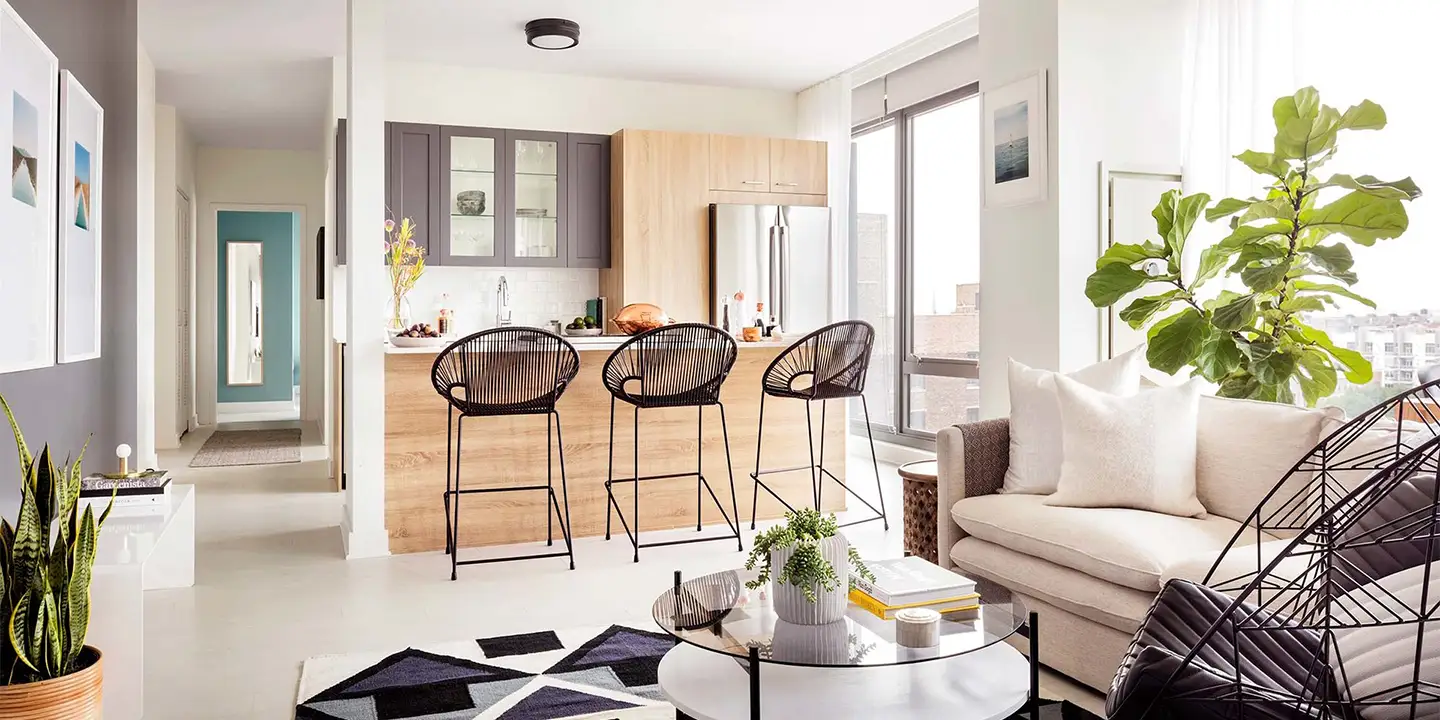
Key takeaway: For multi-family housing, the best plywood cabinets balance durability, speed of installation, moisture resistance, and consistent quality. The right cabinet boxes can reduce callbacks, support repeatable production, and help projects stay on schedule.
How do you keep hundreds of kitchen and bath installs consistent without slowing down the schedule? In multi-family housing, that is the real test. Cabinets must look good, arrive on time, and hold up under daily use. That is why many developers, builders, and dealers turn to plywood cabinets for apartment and condo projects.
Plywood is widely used in construction because its layered cross-grain structure adds strength and stability. For cabinet applications, sanded and hardwood plywood are common choices because they work well for visible surfaces, shelving, and cabinet boxes. In practical terms, that means fewer issues with warping, better load support, and a cleaner finished result. For cabinet-grade builds, thicker panels are often preferred for carcasses and doors, with 16 mm to 18 mm commonly used for cabinet bodies in many kitchen applications. OPPEIN works with B2B buyers who need scalable, project-ready cabinetry solutions for residential developments, hospitality, and other high-volume programs.
- 1. Why plywood cabinets fit multi-family housing
- 2. Choosing the right cabinet boxes and thickness
- 3. Moisture, durability, and daily wear
- 4. How to source for scale: custom cabinet manufacturing and supply
- 5. What to ask before you choose a plywood cabinet supplier
- FAQ: Plywood cabinets for multi-family housing
1. Why plywood cabinets fit multi-family housing
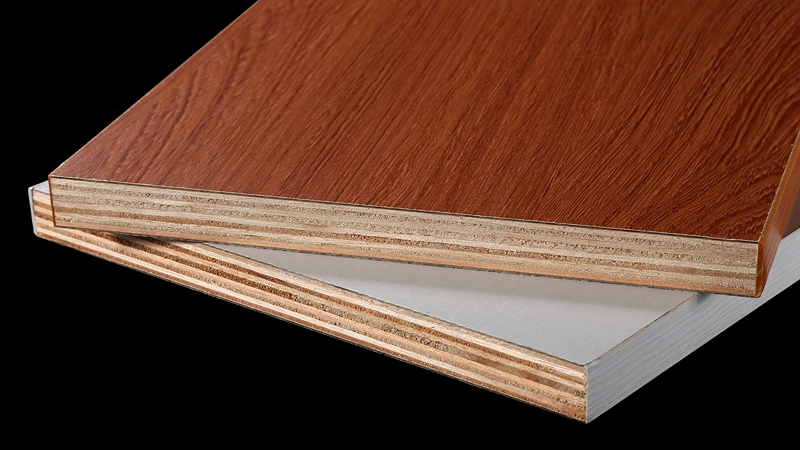
Multi-family projects need materials that can handle heavy use and repeat installation. Plywood kitchen cabinets are a strong fit because they are made from thin wood layers bonded at right angles. That structure helps the material stay stable when temperatures and humidity change. For apartment kitchens, that matters more than many teams expect.
- Better stability: Cross-grain construction helps reduce expansion and contraction, which supports long-term performance in kitchens and baths.
- Strong everyday use: Plywood is commonly chosen for shelves, cabinets, and furniture because it offers a good mix of strength and cost control.
- Cleaner appearance: Sanded plywood and hardwood veneer options are better suited to visible cabinet parts than rough structural sheets.
For builders, the benefit is simple: a more reliable cabinet system means fewer site problems later. In high-turnover housing, that can help protect both schedule and margin.
2. Choosing the right cabinet boxes and thickness
Cabinet performance starts with the box. Cabinet boxes carry the load, hold the hardware, and define how the whole system fits together. In many cabinet projects, thicker panels improve stiffness and reduce flex. Industry guidance commonly points to 16 mm to 18 mm plywood for cabinet carcasses, while 3/4-inch panel thickness is also widely used in cabinet-grade products.
- Use the right thickness for the job: Thicker plywood is often better for cabinet boxes, shelves, and high-load areas.
- Keep details consistent: Standardized cabinet box dimensions make large-scale installation faster and reduce field adjustments.
For multifamily cabinet solutions, consistency matters as much as material choice. When every unit uses the same cabinet box logic, procurement, factory production, and installation all become easier to manage.
3. Moisture, durability, and daily wear
Kitchen and bath zones are not gentle environments. They deal with steam, spills, cleaning chemicals, and constant opening and closing. That is why plywood cabinets are often preferred over materials that can swell or break down more easily when exposed to moisture. Plywood’s layered structure gives it an edge in these conditions.
- Resists seasonal movement: Cross-grain layers help plywood handle humidity better than many single-direction wood products.
- Supports long service life: In busy rental housing, cabinets must survive repeated use from multiple occupants over time.
- Works with protective finishes: Prefinished plywood and sealed edges can improve moisture resistance and simplify installation.
For overseas dealers and project buyers, durability is not just a product feature. It is a risk-management tool. Better material selection can reduce warranty issues, site rework, and tenant complaints.
4. How to source for scale: custom cabinet manufacturing and supply
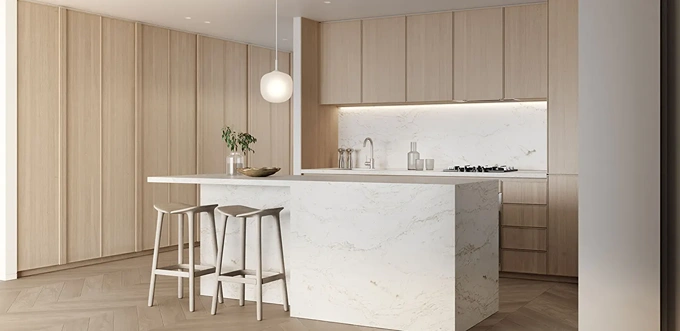
Large housing projects need more than a nice catalog. They need a cabinet manufacturer that can deliver at scale, keep specifications stable, and support repeat orders across phases. This is where custom cabinet manufacturing becomes valuable. Instead of forcing every project into a standard retail format, buyers can align cabinet sizes, finishes, and configurations with the building plan.
- Project consistency: Factory-built cabinets improve repeatability across units, floors, and phases.
- Better logistics: Bulk production can support faster deliveries and simpler coordination for developers and contractors.
- More design flexibility: Custom cabinet options allow teams to match unit type, layout, and finish level.
Suppliers focused on multi-apartment cabinet solutions often serve developers, contractors, renovation companies, and property investors with coordinated supply and installation support. That model is especially useful when a project needs kitchens, wardrobes, and integrated storage from one source.
OPPEIN positions itself as a global cabinet partner for B2B buyers who need scalable solutions, factory production, and project support. For dealers evaluating suppliers, that kind of end-to-end capability can simplify sourcing and reduce coordination risk.
5. What to ask before you choose a plywood cabinet supplier
Not all plywood cabinets are built the same. Before placing a large order, ask practical questions about materials, finishes, packing, and lead times. The goal is to confirm whether the supplier can support construction schedules, shipping requirements, and quality targets.
- What grade of plywood is used? Ask whether the supplier offers cabinet-grade, sanded, or hardwood plywood for visible components and cabinet boxes.
- What thickness options are available? Confirm whether the supplier can produce the panel thickness your project requires.
- Can the supplier support bulk orders? Multi-family housing often needs repeatable production, phased delivery, and stable specifications.
- Are the cabinet boxes prefinished or sealed? Prefinished plywood can save time on site and improve consistency.
For B2B buyers, the best supplier is not always the cheapest. It is the one that can keep quality stable across thousands of pieces and help the project move without delay.
FAQ: Plywood cabinets for multi-family housing
Are plywood cabinets better than particleboard for apartments?
In many multi-family projects, yes. Plywood cabinets usually offer better strength and moisture tolerance, which can be important in kitchens and bathrooms with heavy daily use.
What thickness is best for cabinet boxes?
For many cabinet applications, 16 mm to 18 mm plywood is common for carcasses. Some cabinet systems also use 3/4-inch panels for added rigidity.
Why do developers choose plywood kitchen cabinets?
They are durable, stable, and easier to standardize across multiple units. That helps with quality control, installation speed, and long-term maintenance.
Can plywood cabinets be customized for large projects?
Yes. Custom cabinet manufacturing makes it possible to adjust sizes, finishes, and internal layouts to fit different unit types and design standards.
What should overseas dealers look for in a cabinet manufacturer?
Look for consistent production capacity, clear material specifications, project experience, reliable packing, and the ability to support large-volume multifamily cabinet solutions.
If you are sourcing plywood cabinets for a multi-family project, start with the box construction, thickness, and production capability. Then compare finish quality, delivery reliability, and customization support. If you want a partner that can support large residential programs with factory-made cabinet boxes and project-based coordination, contact OPPEIN to discuss your next development.