
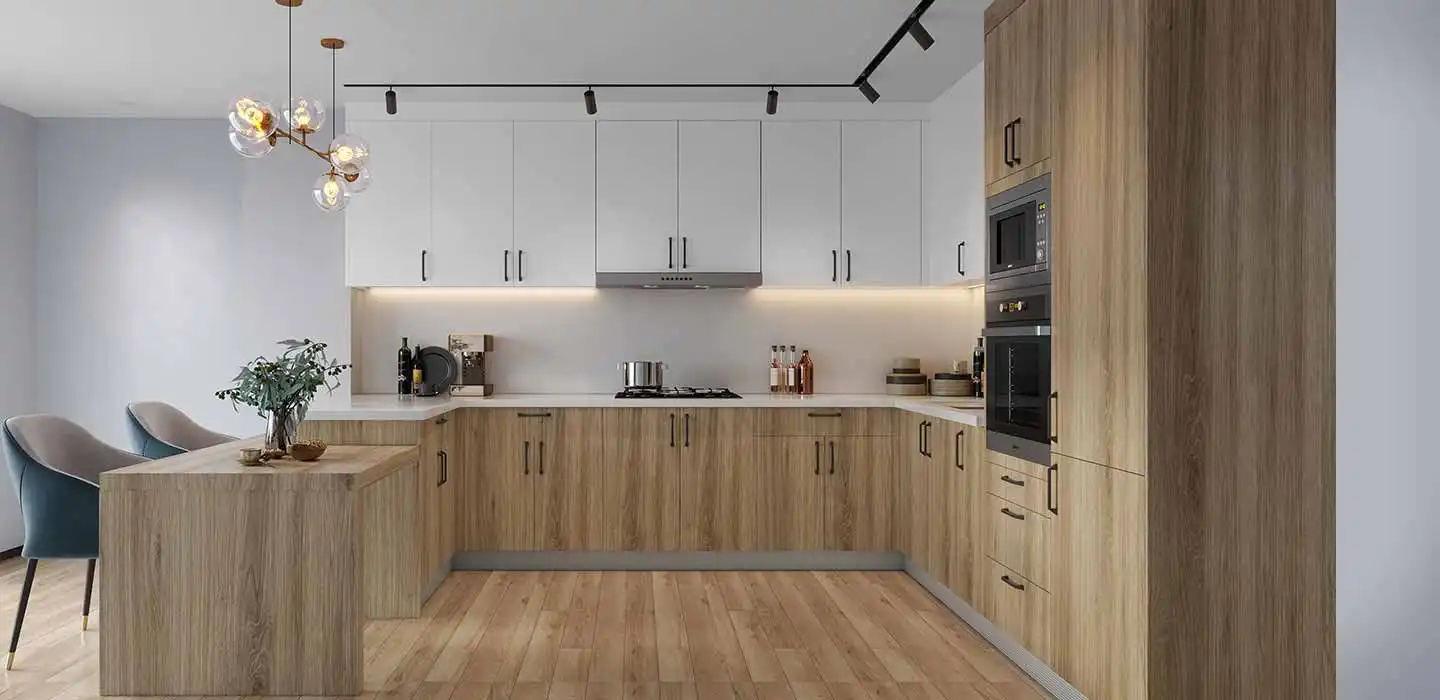
Thermofoil cabinets are a budget-friendly choice at $100 per linear foot for stock options, which makes them substantially cheaper than traditional wood cabinets. This price difference becomes the deciding factor for many of my clients during kitchen renovations.
These cabinets feature a vacuum-sealed vinyl film bonded to a wood core. The result is a durable, moisture-resistant surface that works great in kitchens and bathrooms. Most thermofoil kitchen cabinets last about 10 years with proper care. The value they provide makes them a smart alternative to wood cabinets. Thermofoil vs painted cabinets shows how you can get modern designs and practical benefits without spending too much.
This piece will help you understand the key differences between thermofoil and wood cabinets in 2026. You’ll learn about costs, durability, maintenance needs, and design options. Our goal is to help you pick the right cabinets that match both your budget and kitchen design dreams.
What Are Thermofoil and Wood Cabinets?
Smart remodeling decisions start with knowing the basic differences between cabinet materials. Here’s a breakdown of popular cabinet options and what they’re made of.
What are thermofoil cabinets made of?
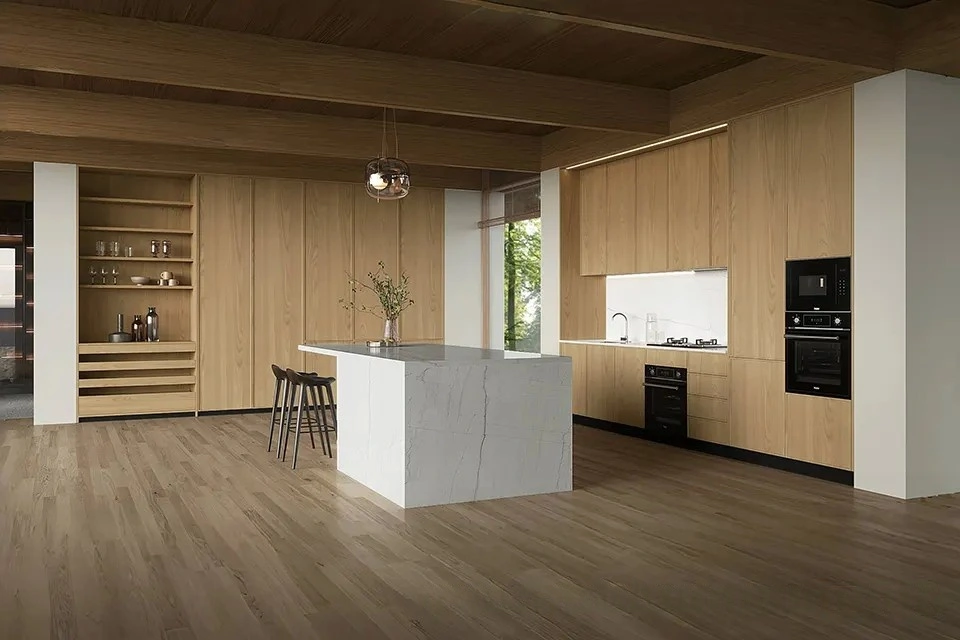
The name thermofoil is misleading since it doesn’t contain any metal. These cabinets have a thin vinyl or PVC layer that bonds to medium-density fiberboard (MDF). The name comes from the manufacturing process – “thermo” points to the heat used when manufacturers bond the vinyl coating to the MDF core using heat and vacuum pressure.
MDF works great as a base because it’s denser and heavier than particleboard, which creates a smooth, stable surface. Manufacturers create this engineered wood by combining wood fibers, resin, and wax under high temperatures (160–190°C) and pressure (1000–1500 psi). The end result is a seamless, non-porous surface that resists moisture and stains well.
How wood cabinets are constructed
Wood cabinets combine several components. The cabinet boxes use hard plywood for the bottom, back, and sides, while solid wood makes up the face-frame where doors attach. Premium wood cabinets often use Grade-A plywood construction throughout to last longer.
Wood veneer cabinets give you a middle-ground option if you want wood’s beauty without its full cost. These cabinets have thin layers of real wood attached to plywood or particleboard bases. You get authentic wood grain patterns and structural stability this way.
Key differences in material composition
These cabinet types differ in several ways:
- Base material: Thermofoil uses engineered MDF, while wood cabinets use solid hardwood and/or plywood.
- Surface treatment: Thermofoil comes with a factory-finished vinyl coating, but wood needs separate finishing through staining or painting.
- Moisture resistance: Thermofoil handles humidity better, making it great for bathrooms and kitchens.
- Heat sensitivity: Wood performs better with heat, while thermofoil might bubble or peel near heat sources.
- Texture: Wood shows natural grain patterns and warmth, while thermofoil looks uniform and seamless.
Thermofoil usually covers just five sides of cabinet doors (front and four sides), with a simple melamine finish on the back.
Cost Breakdown: Thermofoil vs Wood Cabinets
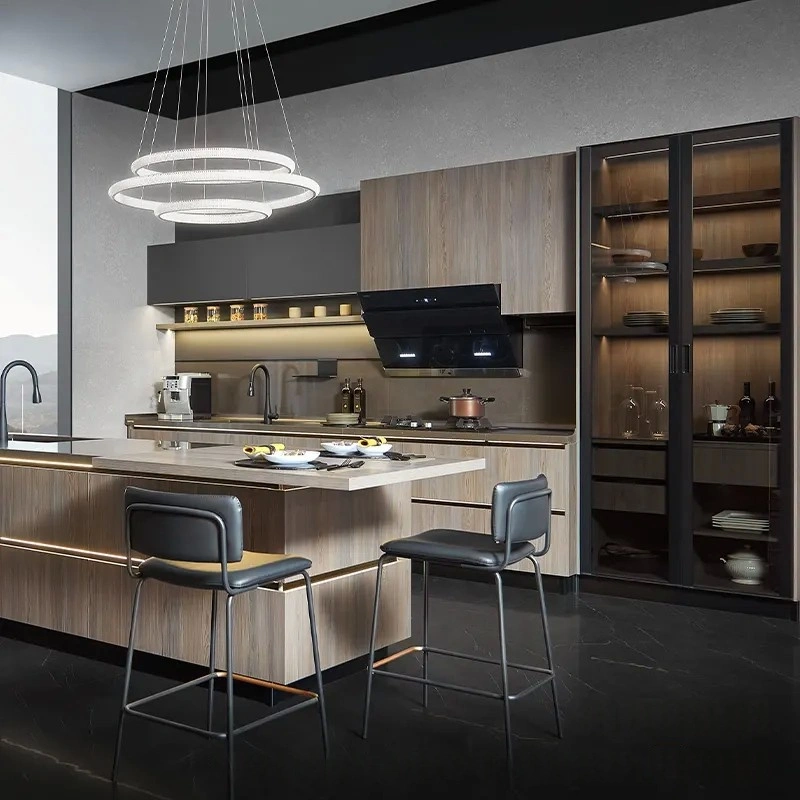
My clients often express surprise at the price difference between thermofoil and wood cabinets during renovation projects. Let me break down the actual costs you should consider:
Material costs per linear foot
The price difference between these materials stands out significantly:
- Thermofoil cabinets: You’ll spend $100-$250 per linear foot, which makes them a budget-friendly option for many homeowners
- Wood cabinets: Prices range from $200-$500 per linear foot, and vary based on wood species like oak, cherry, or walnut
To give you a better viewpoint, a complete thermofoil kitchen refacing could cost as little as $1,000. Wood cabinets for a simple 10-foot galley layout might set you back $1,000-$5,000.
Installation and labor expenses
The installation costs stay fairly consistent whatever material you choose:
- Professional installers charge $40-$80 per hour
- Your total labor costs could range from $50-$450 per linear foot based on complexity
- Cabinet removal and demolition adds $300-$500 to your project
Labor makes up 20%-30% of your total cabinet installation budget. This investment will give a lasting and functional result.
Long-term maintenance and repair costs
Here’s a crucial factor many people miss:
- You can’t sand or refinish damaged thermofoil surfaces—you’ll need to replace entire cabinet doors
- Wood cabinets allow refinishing or repainting as they age, which extends their life
Thermofoil works best as a short to mid-term solution, while wood serves as a long-term investment.
Lifespan and replacement frequency
The durability timeline shows the real value proposition:
- Thermofoil cabinets last 10-15 years with good care
- Stock wood cabinets: 10-15 years
- Semi-custom wood cabinets: 15-25 years
- Custom/high-end wood cabinets: 25-50+ years
Wood cabinets that receive proper maintenance can serve you for up to 50 years before needing replacement.
Durability, Maintenance, and Daily Use
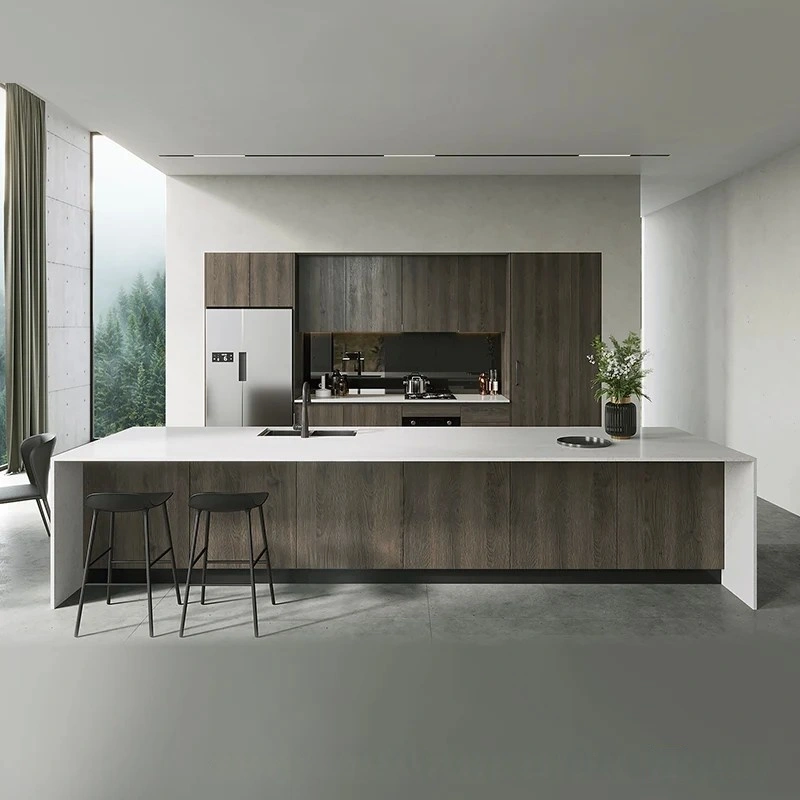
Daily kitchen use reveals the practical differences between thermofoil and wood cabinets. Price isn’t the only factor that matters when helping clients pick the right material.
Moisture and heat resistance
Thermofoil cabinets shine when it comes to moisture protection. Their non-porous vinyl surface keeps water and humidity at bay. These cabinets work great in bathrooms and humid kitchen spaces. The biggest problem shows up with heat sensitivity. The vinyl coating can bubble, peel, or blister when temperatures go above 150°F. This usually happens near dishwashers, ovens, or coffee makers.
Wood cabinets handle heat remarkably well. They don’t do as well with humidity, which might cause warping if the wood isn’t sealed properly.
Scratch and dent vulnerability
Durability isn’t a simple comparison. Thermofoil’s rigid surface stands up to minor scratches and dents better than painted surfaces. Damage to the vinyl coating lets water seep into the MDF core, which leads to buckling and deterioration.
Hardwood cabinets resist dents and dings better. The most important difference lies in repairs – you can sand and refinish wood, but damaged thermofoil usually needs complete replacement.
Cleaning and upkeep requirements
Thermofoil cabinets are a breeze to maintain:
- A damp cloth and mild soap is all you need for the smooth, non-porous surface
- You won’t need special polishes or sealants
- Dirt and bacteria can’t build up thanks to the seamless design
Wood cabinets need more attention, with regular polishing and sealing to keep their looks and protective finish.
Performance in high-traffic areas
Thermofoil cabinets make sense for busy households. Their moisture resistance and easy-clean surface work well in high-traffic kitchens. These cabinets can last 10-15 years if you take care of them.
Heat vulnerability remains a vital concern. You’ll need to install heat shields near appliances, which adds cost and might disrupt the clean cabinet lines.
Design, Customization, and Esthetic Appeal
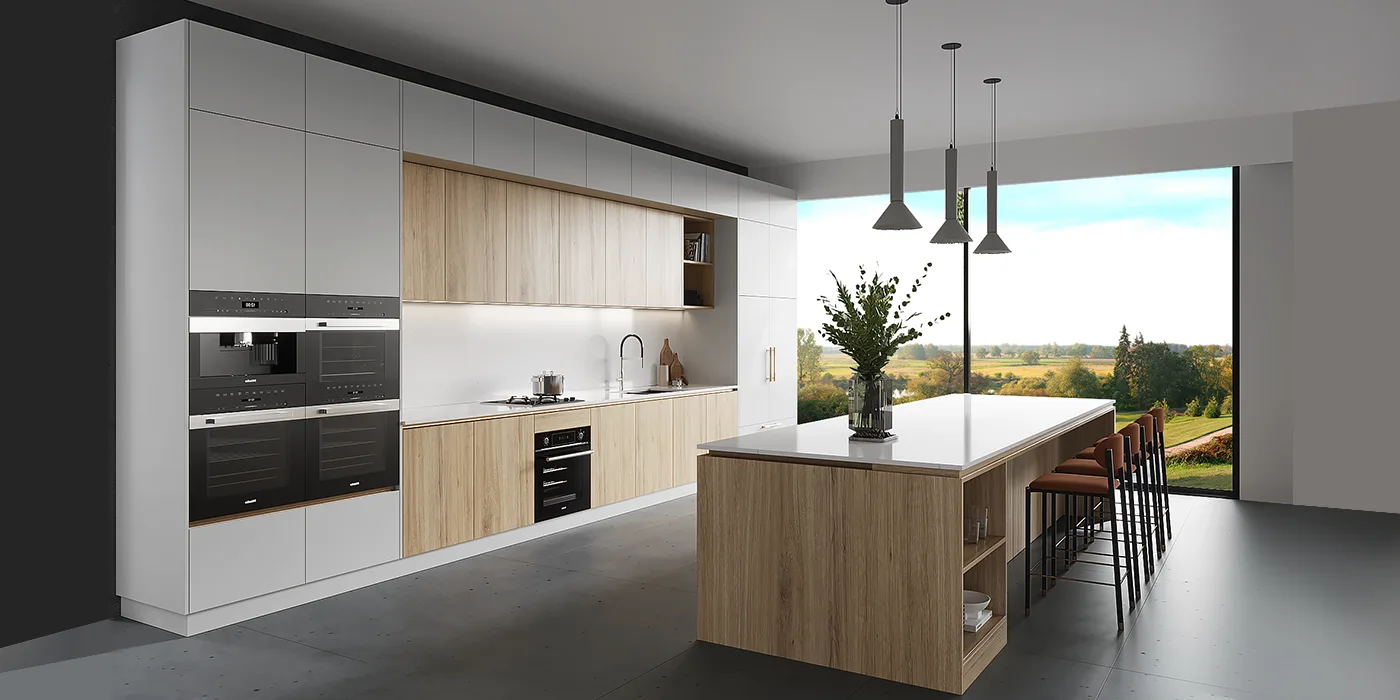
My clients often make their final decision based on how different cabinet materials look. Let me walk you through how each option can transform your kitchen’s appearance.
Color and finish options
Thermofoil cabinets give you plenty of choices with their color options. These manufactured cabinets come in countless colors and textures that look just like wood grain patterns. You’ll find trendy colors like sage green, and the ever-popular clean white look. The material lets you choose between silk, matte, and gloss finishes.
Wood cabinets showcase their natural beauty through real grain patterns. The natural shine of wood reflects light and adds warmth to kitchens, whether they’re traditional or modern. Your design possibilities are endless – from light maple to rich cherry wood.
Texture and surface feel
These materials feel completely different to touch. Thermofoil gives you a smooth, uninterrupted surface that feels the same everywhere. Some designs try to copy wood textures, but the vinyl coating has its own unique feel.
Wood cabinets offer real texture variations that homeowners love. Natural graining creates an organic, earthy feel that shows through even in darker finishes.
Cabinet door compatibility
You can use either material with popular door styles like Shaker, contemporary, and traditional designs. Thermofoil looks great in modern or minimalist spaces where clean lines and uniform color matter most. Small kitchens benefit from its light-reflecting properties that make spaces look bigger.
Wood cabinets really shine in traditional, farmhouse, or transitional kitchens. The latest trend for 2026 mixes cabinet finishes – combining painted wood with thermofoil creates a budget-friendly two-tone design.
Impact on home resale value
Your choice of cabinets can make a big difference in property value. Painted wood cabinets usually add more resale value because of their custom look and timeless appeal. Homes with popular cabinet colors can get offers $1,600 higher, while dated colors might drop the value by almost $4,000.
Modern cabinets make homes stand out when the market gets competitive. This is a big deal as cabinets make up about one-third of kitchen remodeling budgets, and buyers notice them right away.
Conclusion
The choice between thermofoil and wood cabinets comes down to what you need, how much you want to spend, and your future plans. Thermofoil will save you money at $100-250 per linear foot, while wood costs $200-500. This makes thermofoil a great pick if you’re watching your budget.
Durability should be part of your decision. Thermofoil handles moisture well, but heat from appliances can damage it. Wood cabinets need more care but will last longer. Quality wood cabinets can serve you for 25-50+ years with proper care. Thermofoil usually needs replacing after 10-15 years.
Your style priorities matter too. Thermofoil gives you lots of color choices and smooth finishes that work great in modern designs. Wood cabinets bring a classic look with their natural grain patterns and texture that many homeowners love.
Thermofoil cabinets make sense for first-time renovators, especially in rental properties or homes you’ll sell soon. But wood cabinets are worth the extra money if you’re planning to stay in your home long-term.
I’ve helped many clients with kitchen renovations, and cabinet choices shape both daily life and home value. Pick what fits your lifestyle, how much maintenance you’ll do, and how long you plan to keep your kitchen. Whatever material you choose, knowing these key differences will help you pick cabinets that work for years.
FAQs
Q1. How do thermofoil cabinets compare to wood cabinets in terms of cost?
Thermofoil cabinets are generally more affordable, ranging from $100-$250 per linear foot, while wood cabinets typically cost between $200-$500 per linear foot. This makes thermofoil an attractive option for budget-conscious renovations.
Q2. What is the expected lifespan of thermofoil cabinets compared to wood cabinets?
Thermofoil cabinets typically last 10-15 years with proper care, while wood cabinets can last much longer. Stock wood cabinets last 10-15 years, semi-custom wood cabinets 15-25 years, and high-end custom wood cabinets can potentially last 25-50+ years.
Q3. How do thermofoil and wood cabinets differ in terms of maintenance?
Thermofoil cabinets are easier to clean and maintain, requiring only a damp cloth and mild soap. Wood cabinets demand more regular care, including occasional polishing and sealing. However, wood cabinets can be refinished when worn, while damaged thermofoil usually requires complete replacement.
Q4. Are thermofoil cabinets suitable for all areas of the kitchen?
While thermofoil cabinets excel in moisture resistance, making them great for humid environments, they are heat-sensitive. Temperatures above 150°F can cause bubbling or peeling, so caution is needed near heat sources like ovens and dishwashers. Wood cabinets handle heat better but are more susceptible to humidity.
Q5. How do thermofoil and wood cabinets impact home resale value?
Wood cabinets, especially painted ones, typically add more resale value due to their custom look and timeless appeal. However, modern thermofoil cabinets can also elevate visual appeal and make homes stand out in competitive markets. The choice of cabinet material and style can significantly influence property value and buyer perception.