
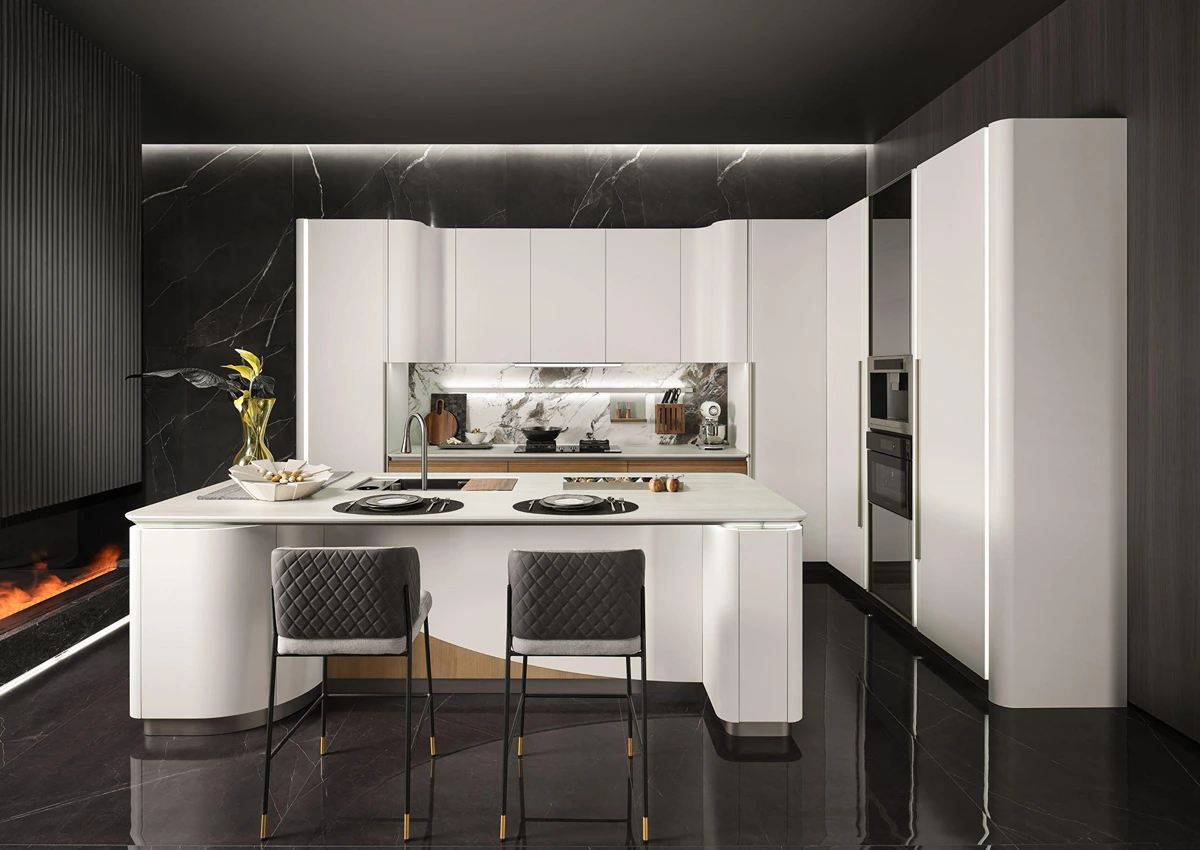
How much value can a custom kitchen add to a project?
In Australia, the kitchen is often the hardest-working room in a home. It is where buyers look first, tenants judge quality fast, and clients notice the finish every day. So the real question is simple: if kitchens can influence both sale price and user satisfaction, why settle for standard?
A custom kitchen gives you control over size, layout, materials, and storage. For builders, developers, designers, and homeowners, that control can reduce compromise and improve the final result. It can also help a project feel more premium without wasting space.
In this guide, we break down what custom kitchen cabinets are, why they matter in Australia, and how to plan them well for real-world projects.
- How much value can a custom kitchen add to a project?
- 1. What custom kitchen cabinets actually mean
- 2. Why custom kitchen cabinets matter in Australia
- 3. Key benefits for builders, developers, and designers
- 4. What to consider before ordering a custom kitchen
- 5. How to get the best result from a custom kitchen supplier
- Common mistakes to avoid with custom kitchen projects
- Conclusion: why a custom kitchen is worth considering
1. What custom kitchen cabinets actually mean
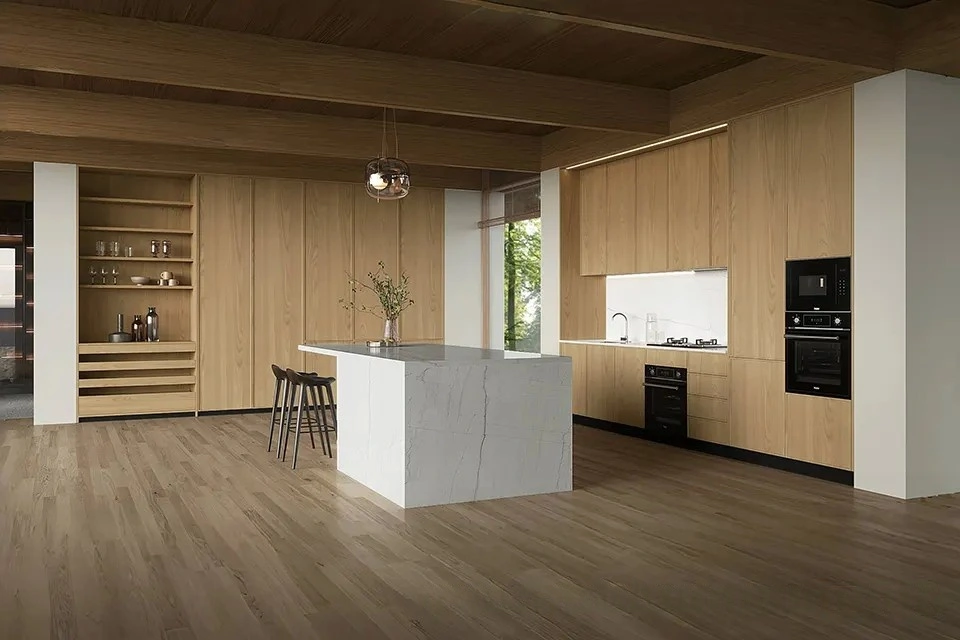
A custom kitchen is designed to suit a specific room, brief, and user. Unlike flat-pack or off-the-shelf options, custom cabinetry is made to fit exact measurements and project needs.
Made to fit the space
Australian homes come in many forms. You may be working with a compact apartment, a family home, a townhouse, or a multi-residential build. Custom cabinets allow you to work around awkward corners, bulkheads, structural walls, and uneven layouts. This helps you use every millimetre more effectively.
Built around how the kitchen will be used
A custom kitchen can be shaped around the client’s habits. For example, a family may need deep drawers and strong finishes. A rental project may need durable materials and simple hardware. A premium home may call for integrated appliances and a cleaner visual line.
More control over finish and quality
With custom cabinetry, you can choose the cabinet board, door profile, handles, hinge system, and internal fit-out. This makes it easier to match the design intent and budget. It also helps reduce the risk of a kitchen looking generic or poorly resolved.
2. Why custom kitchen cabinets matter in Australia
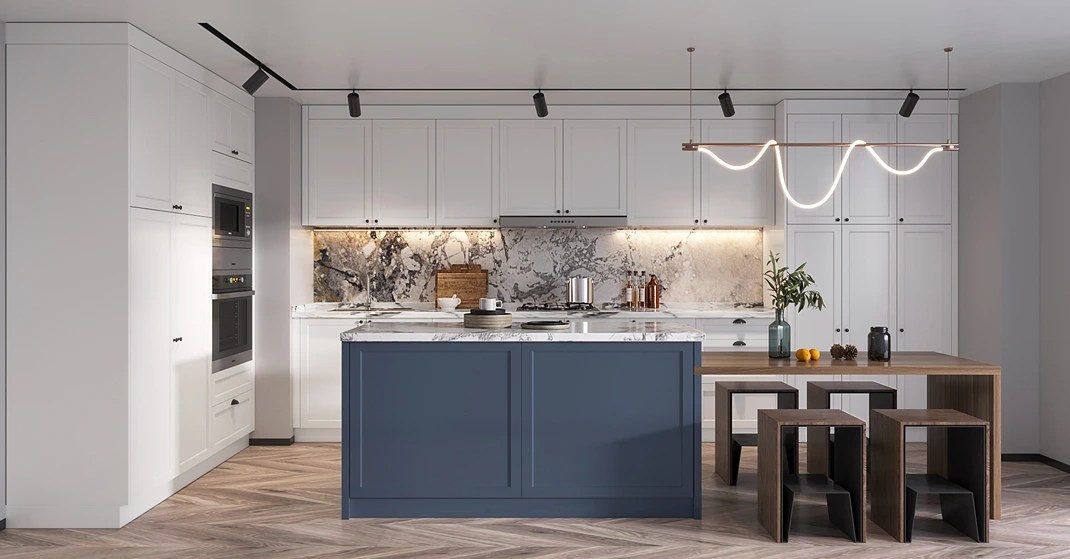
The Australian market places a lot of value on practical, low-maintenance kitchens. Buyers and tenants want storage, durability, and a clean finish. For project teams, that means the kitchen must perform well and present well.
Australian homes need space efficiency
Many Australian projects are under pressure from tighter lot sizes, rising build costs, and the need to deliver more function in less space. A custom kitchen helps solve this by using full-height cabinetry, smarter corner solutions, and better storage planning. In smaller homes, this can make a major difference.
Data shows kitchens influence property value
Industry reports consistently show that kitchen upgrades are among the most valued home improvements. While exact returns vary by market and scope, a well-planned kitchen can support stronger buyer interest and improve perceived value. In practical terms, a custom kitchen can help a property feel more complete and more premium at first inspection.
Better fit for Australian design trends
Australian buyers often prefer light finishes, easy-clean surfaces, and open-plan layouts. Custom cabinets make it easier to align with these preferences. You can design around island benches, walk-in pantries, integrated bins, appliance garages, and other features that improve usability without clutter.
3. Key benefits for builders, developers, and designers
For a busy B2B customer, a custom kitchen is not just about appearance. It is about reducing issues on site, improving handover, and delivering a better commercial outcome.
Less compromise during construction
Standard cabinets often force the design to adapt to the product. Custom cabinets do the opposite. They adapt to the project. That means fewer awkward fillers, fewer visible gaps, and fewer late-stage workarounds. It also helps avoid rework when site conditions are not perfectly square.
More flexibility across project types
A custom kitchen suits many settings. In residential builds, it can support a stronger sale result. In multi-unit projects, it can help create a consistent look while still fitting each apartment correctly. In renovations, it can solve existing layout problems without a full structural change.
Stronger user experience
Good cabinetry makes the kitchen easier to live with. Thoughtful drawer placement, pantry storage, and appliance positioning reduce frustration for end users. That matters because a kitchen is used daily. If the layout works, the whole property feels better designed.
For developers and builders, that user experience can translate into fewer complaints, faster approvals from clients, and a stronger reputation for quality.
4. What to consider before ordering a custom kitchen
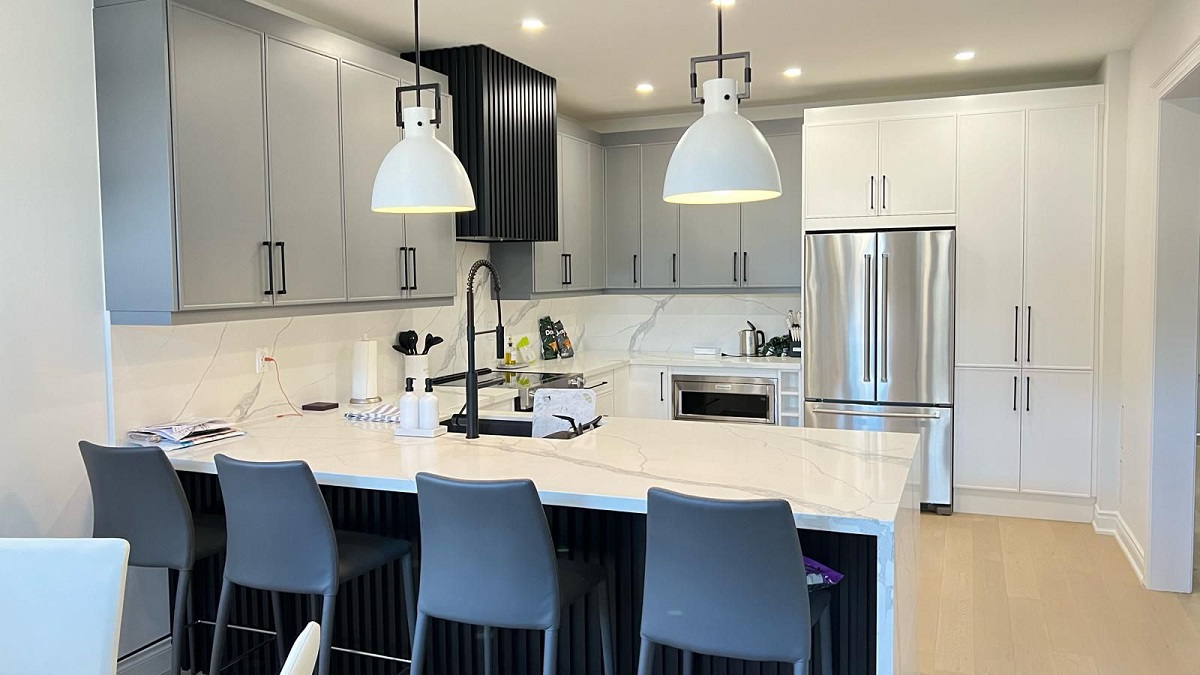
A custom kitchen works best when the brief is clear. Before you order, focus on the practical details that affect cost, timing, and performance.
Start with the layout
The layout should support how the kitchen will be used. Think about the work triangle, prep space, storage, sink location, and appliance placement. Good layout planning reduces wasted movement and makes the kitchen feel more natural to use. It also helps avoid last-minute changes that can delay the build.
Choose materials based on the project
Not every project needs the same finish level. A high-traffic family kitchen may need strong laminate, moisture-resistant board, and durable hardware. A high-end home may justify two-pack doors, stone benchtops, and premium soft-close systems. The right choice depends on budget, use, and expected wear.
Plan around lead times and trades
Custom cabinetry takes planning. It must be measured, approved, manufactured, delivered, and installed in sequence with other trades. In Australia, lead times can vary depending on demand, location, and material availability. Build this into the schedule early to avoid delays near completion.
It also helps to confirm details before fabrication starts. Finalising appliance dimensions, power points, plumbing locations, and door swings early can prevent expensive corrections later.
5. How to get the best result from a custom kitchen supplier
The quality of a custom kitchen depends heavily on the supplier you choose. A strong kitchen cabinet supplier will do more than build cabinets. They will help you avoid errors and keep the job moving.
Look for clear communication and documentation
You want a supplier who provides accurate drawings, confirmed dimensions, and straightforward specifications. This is especially important for builders and developers managing multiple stakeholders. Clear paperwork reduces confusion and helps everyone stay aligned.
Ask about manufacturing standards
Good suppliers should be able to explain the materials they use, the edge banding method, the hardware brand, and the installation process. They should also be able to speak plainly about durability and maintenance. If they cannot explain these points clearly, that is a concern.
Check their experience with similar projects
A supplier who has worked on apartments, custom homes, or commercial fit-outs will understand the pressures of site coordination. They will know how to handle access issues, tolerances, and staged delivery. That experience can save time and reduce stress.
For construction professionals, the best result usually comes from a supplier who can balance design intent, budget, and practical delivery.
Common mistakes to avoid with custom kitchen projects
Even a well-designed custom kitchen can go off track if the basics are ignored. Here are a few mistakes worth avoiding.
-
Leaving cabinetry decisions too late in the build schedule.
-
Choosing finishes without considering durability or cleaning needs.
-
Forgetting to confirm appliance sizes before manufacturing.
-
Using poor lighting, which can make even a good kitchen feel unfinished.
-
Overfilling the design with features that add cost but little value.
The best kitchens are usually simple, well planned, and built with the end user in mind.
Conclusion: why a custom kitchen is worth considering
A custom kitchen gives you control, flexibility, and better project fit. In Australia, where homes vary widely and buyers expect quality, that control can make a real difference. It can improve space use, strengthen the finish, and support the value of the overall build.
For developers, builders, designers, contractors, and homeowners, the key is to treat cabinetry as part of the project strategy, not just a finishing touch. When planned well, a custom kitchen can reduce compromise and improve both day-to-day use and long-term appeal.
If you are planning a project and want a kitchen that fits the brief, the budget, and the site, talk to a custom kitchen specialist early. The sooner you plan it, the better the result.
Ready to plan your next custom kitchen? Speak with an experienced OPPEIN cabinetry team in Australia to discuss layout, materials, lead times, and installation options for your project.